A Love Letter to India: Stepping into Sabyasachi’s Mumbai Store

Where colonial craft traditions meet Indian maximalism — over 1,000 pieces of bespoke handmade furniture for Sabyasachi's landmark Mumbai flagship.
A Love Letter to India: Stepping into Sabyasachi’s Mumbai Store

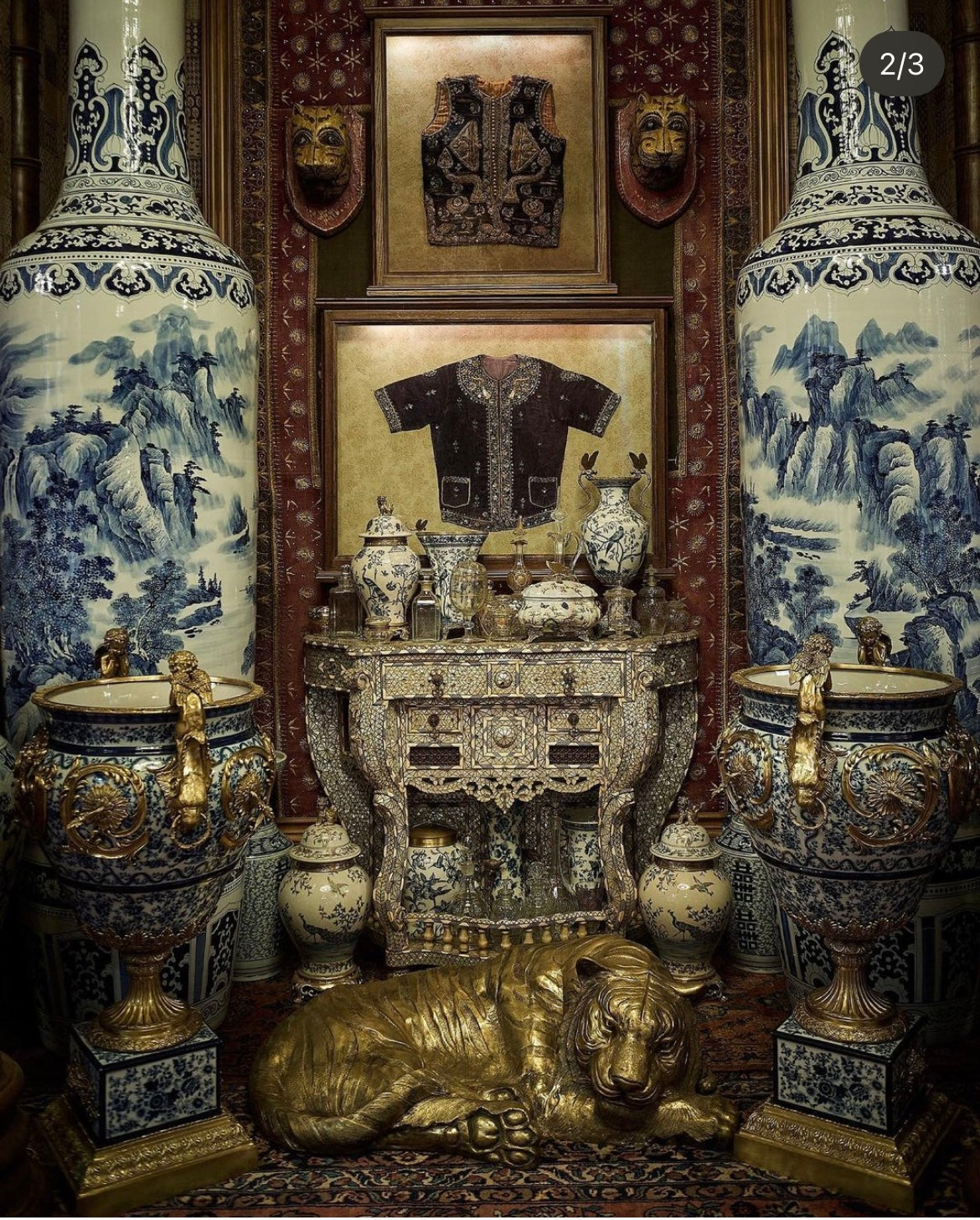
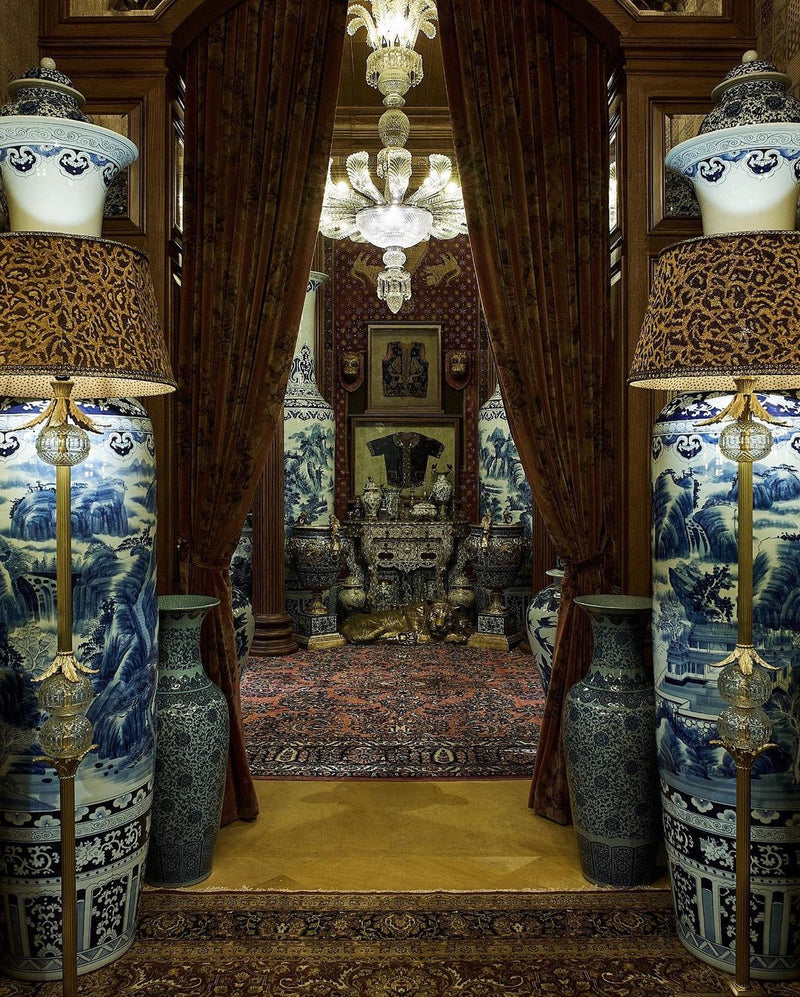
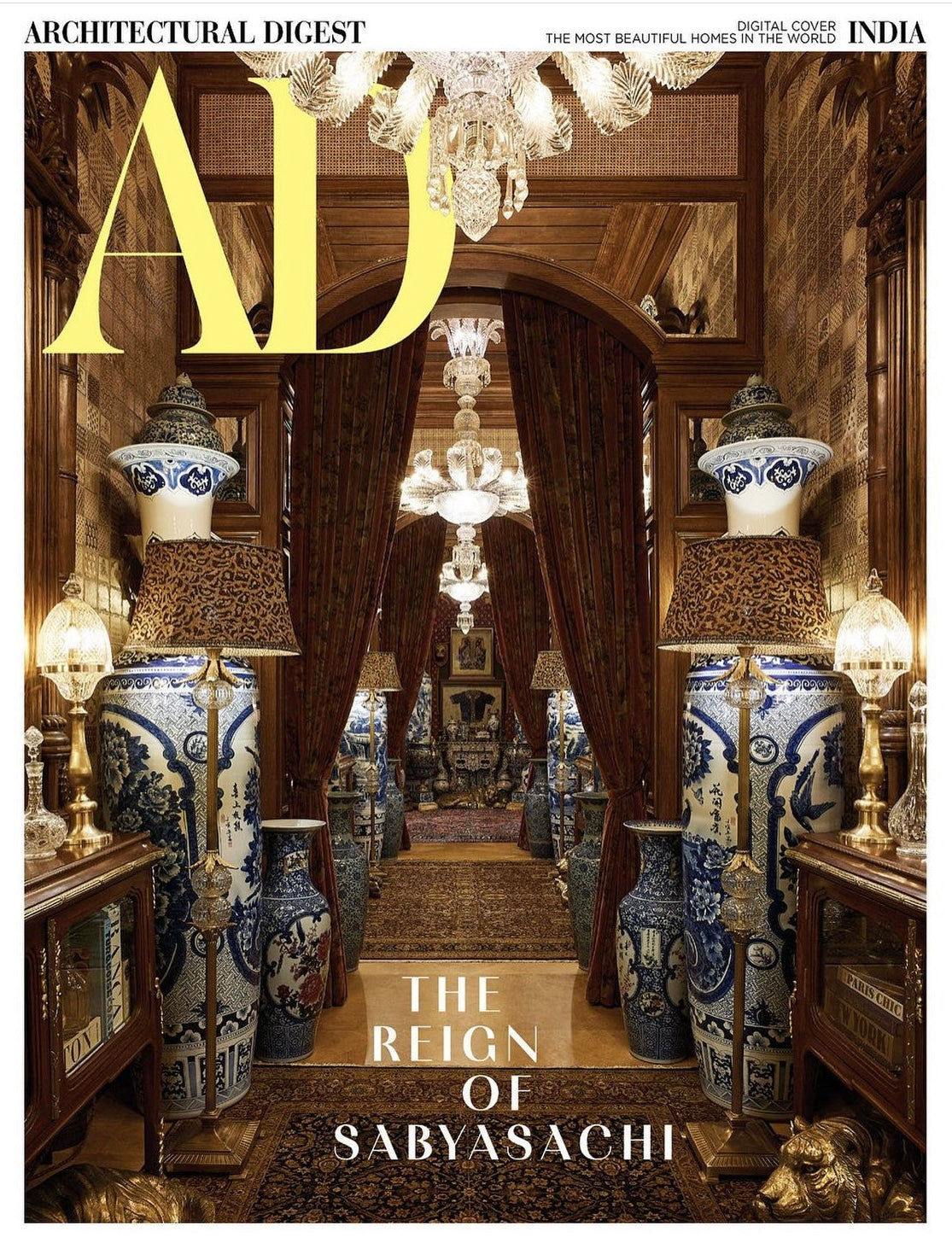
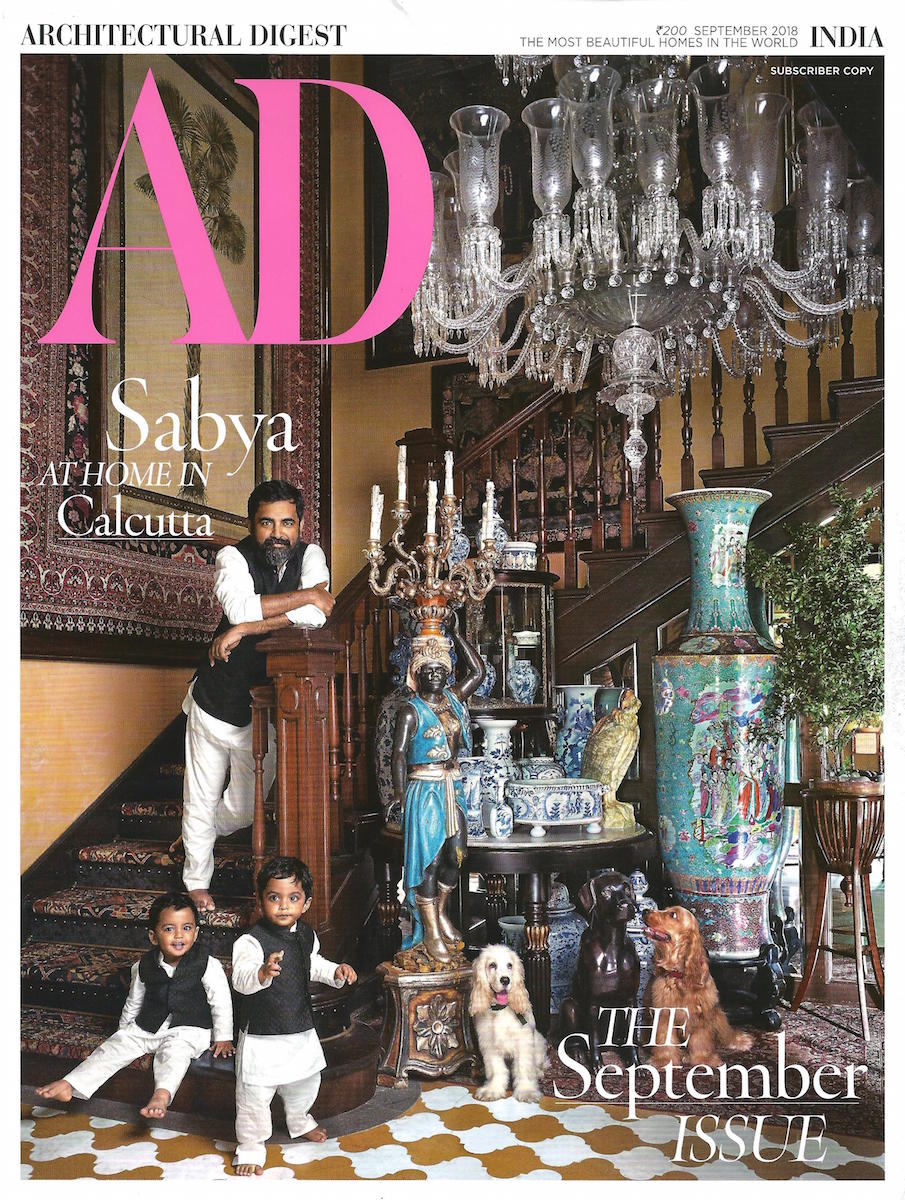
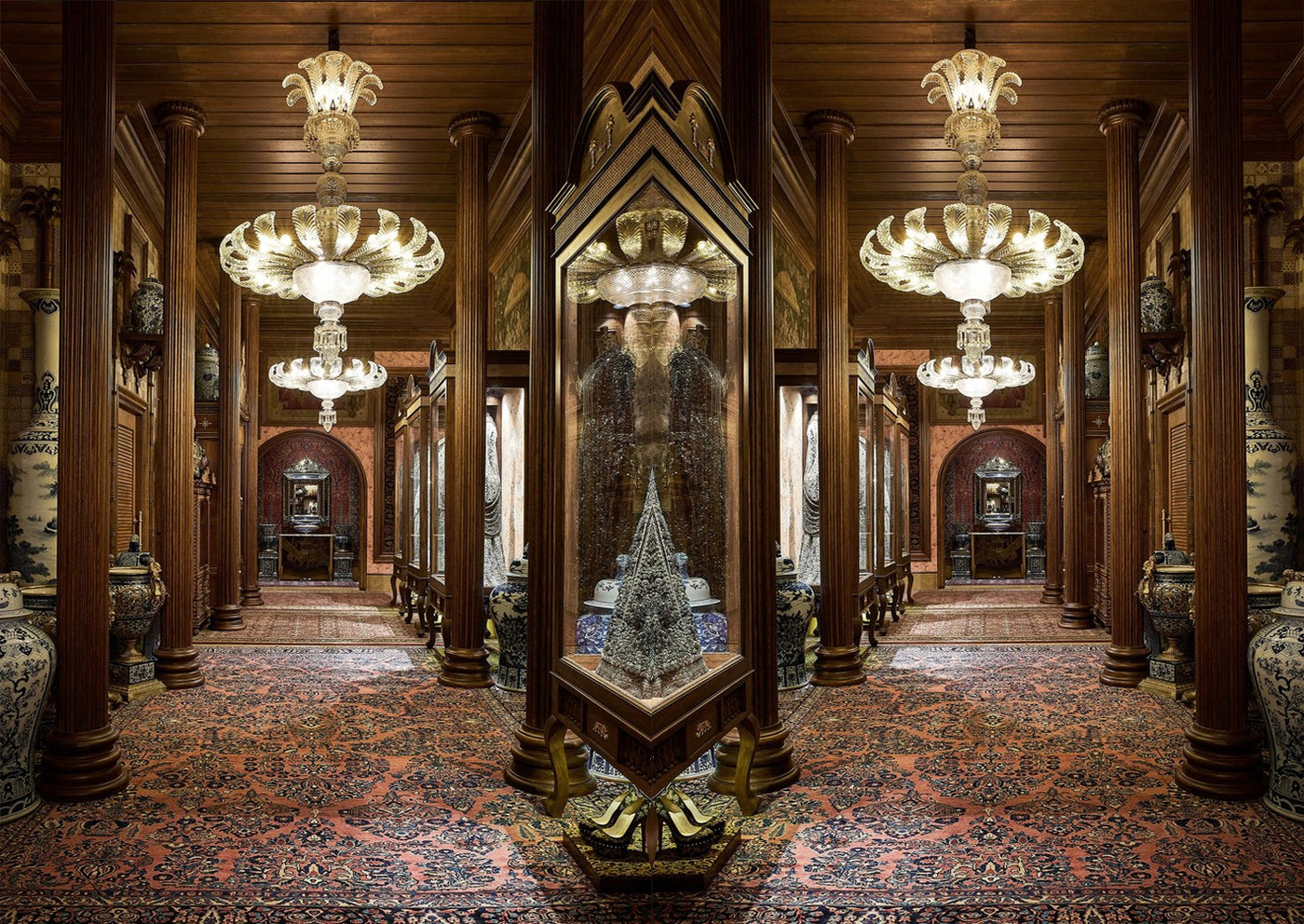
In the heart of Mumbai's Fort district, within the soaring neoclassical chambers of the CP Fort Heritage Building — a Grade II-listed Italianate structure originally built in 1913 for the British Bank of the Middle East — Sabyasachi Mukherjee has realised his most ambitious interior vision to date. Conceived entirely under Mukherjee's own creative direction, the 25,000 square-foot flagship unfolds across three floors as what the designer himself describes as an immersion into "age-old heritage and slow luxury": a living museum of Tanjore paintings, Mughal miniatures, rare bronzes, and 275 hand-selected carpets, all held together by a maximalist sensibility rooted in the cultural abundance of the subcontinent.

A Love Letter to India: Stepping into Sabyasachi’s Mumbai Store

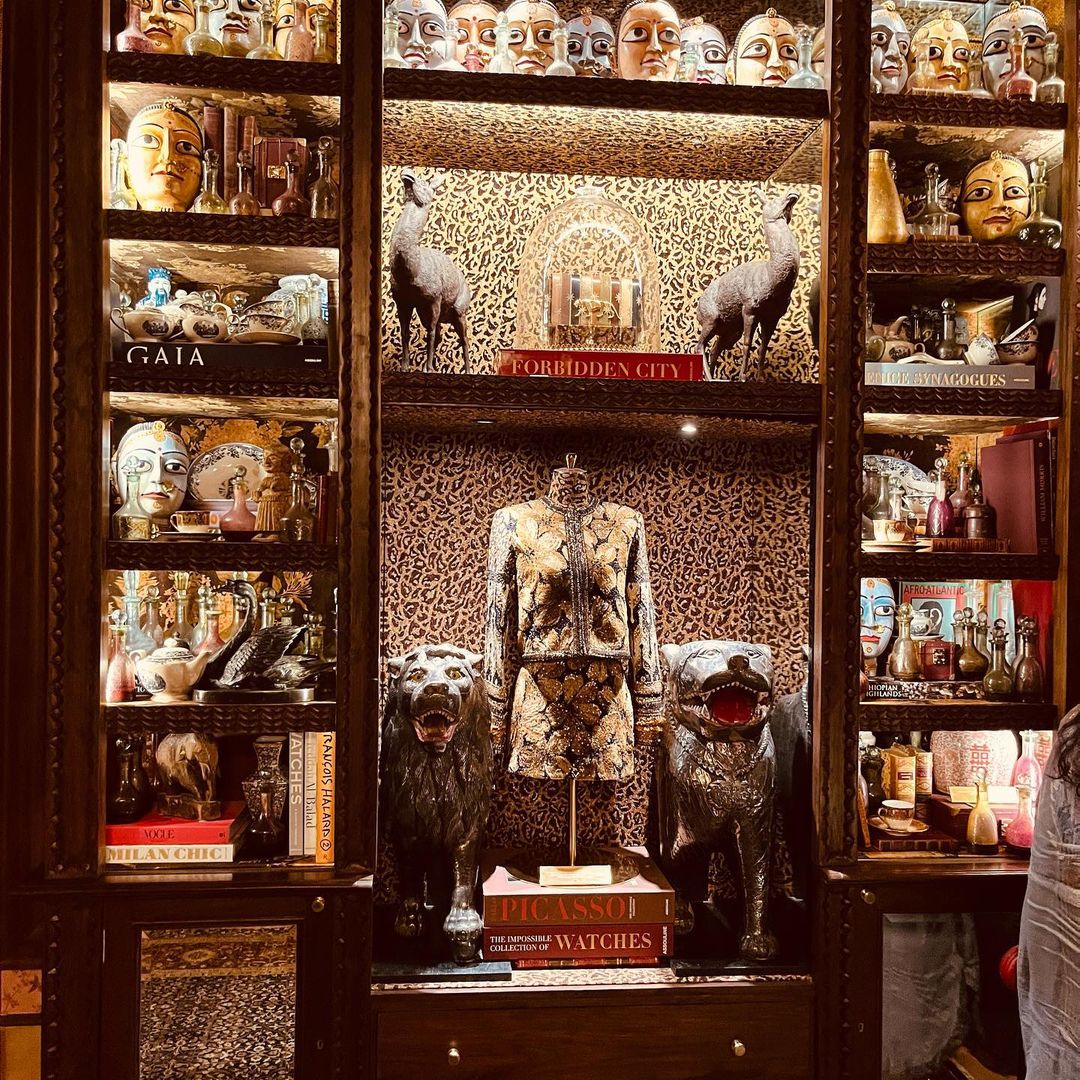
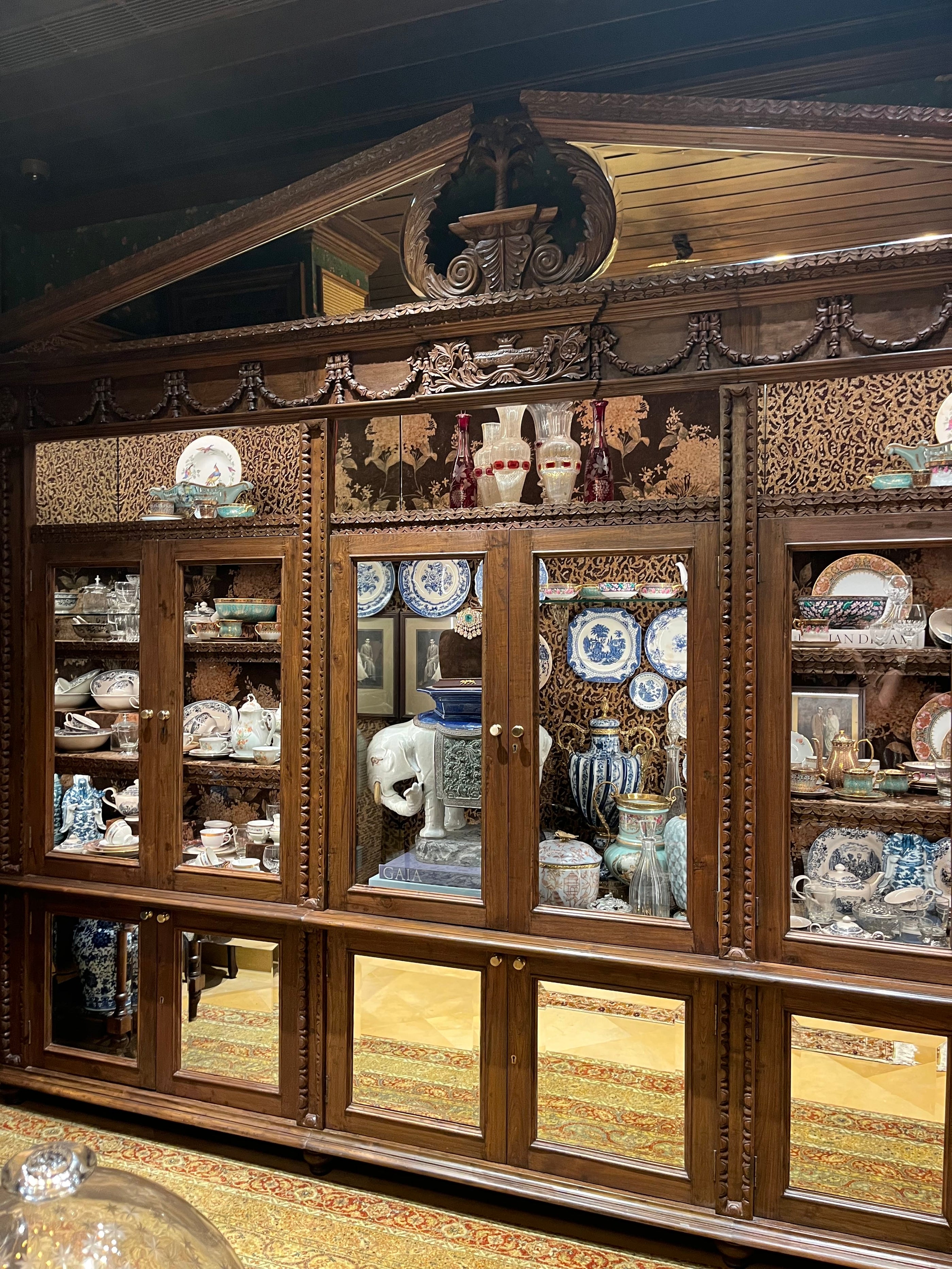
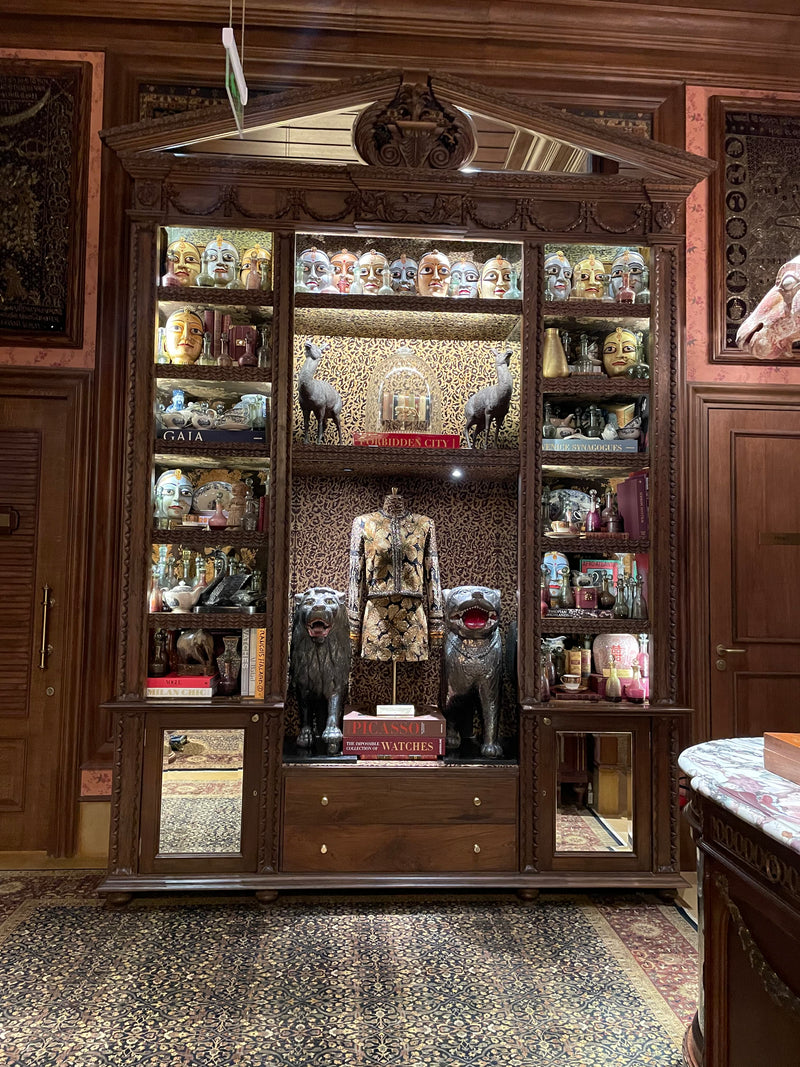
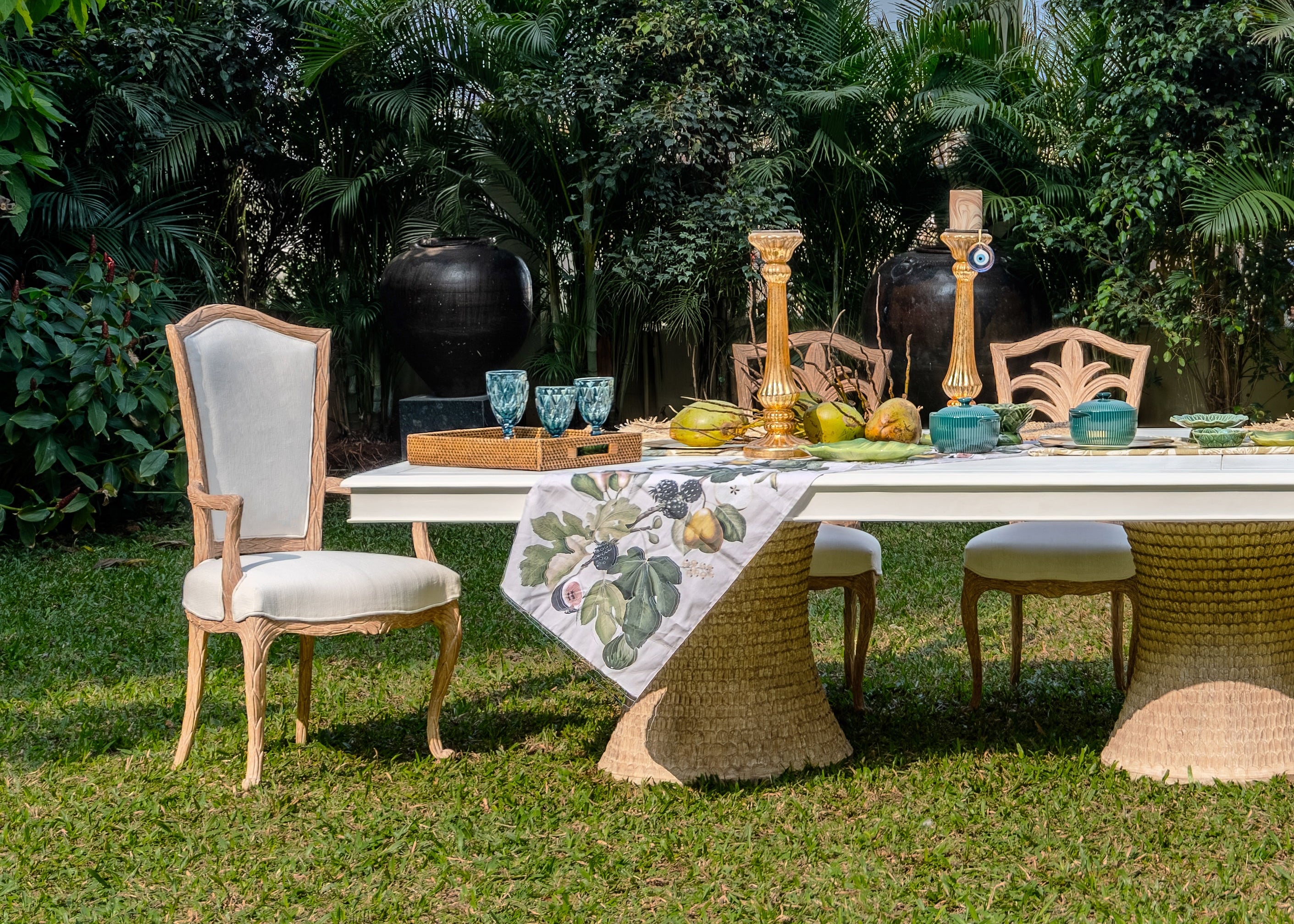
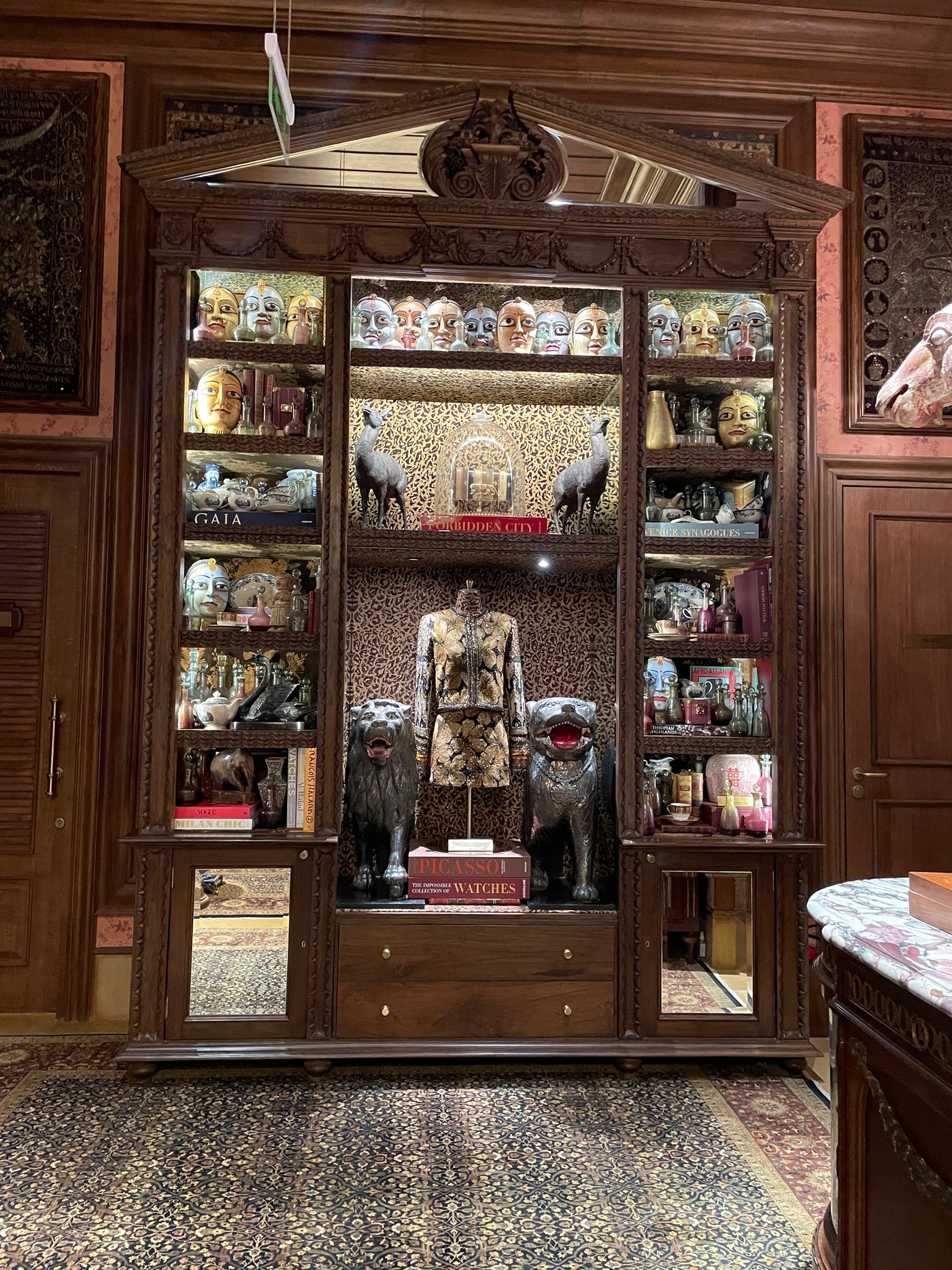
The Raj Company contributed over one thousand pieces of entirely handmade furniture to the project, each developed in direct collaboration with Mukherjee and bearing the signature motifs of his house. Drawing on colonial-era craft traditions and design references that range from Bengal to Rajasthan, the collection encompasses intricately carved case pieces, hand-caned seating, and finely upholstered chairs and settees — every detail resolved with the same obsessive attention to making that defines the Sabyasachi brand itself. Named among the world's top seven Most Beautiful Emporiums by Prix Versailles — the prestigious global architecture and design award granted annually at UNESCO — the store stands as a rare example of furniture, fashion, and interior craft operating in absolute accord.

A Love Letter to India: Stepping into Sabyasachi’s Mumbai Store

In the heart of Mumbai's Fort district, within the soaring neoclassical chambers of the CP Fort Heritage Building — a Grade II-listed Italianate structure originally built in 1913 for the British Bank of the Middle East — Sabyasachi Mukherjee has realised his most ambitious interior vision to date. Conceived entirely under Mukherjee's own creative direction, the 25,000 square-foot flagship unfolds across three floors as what the designer himself describes as an immersion into "age-old heritage and slow luxury": a living museum of Tanjore paintings, Mughal miniatures, rare bronzes, and 275 hand-selected carpets, all held together by a maximalist sensibility rooted in the cultural abundance of the subcontinent.

A Love Letter to India: Stepping into Sabyasachi’s Mumbai Store

The Raj Company contributed over one thousand pieces of entirely handmade furniture to the project, each developed in direct collaboration with Mukherjee and bearing the signature motifs of his house. Drawing on colonial-era craft traditions and design references that range from Bengal to Rajasthan, the collection encompasses intricately carved case pieces, hand-caned seating, and finely upholstered chairs and settees — every detail resolved with the same obsessive attention to making that defines the Sabyasachi brand itself. Named among the world's top seven Most Beautiful Emporiums by Prix Versailles — the prestigious global architecture and design award granted annually at UNESCO — the store stands as a rare example of furniture, fashion, and interior craft operating in absolute accord.

A Love Letter to India: Stepping into Sabyasachi’s Mumbai Store