Carved Histories: Furniture for Sabyasachi's World at Nilaya Anthology in Mumbai

Ornately carved colonial furniture, crested mirror frames, and marble-top consoles crafted for Sabyasachi's maximalist atelier within Mumbai's landmark Nilaya Anthology.

Rooshad Shroff and Sabyasachi Mukherjee
Carved Histories: Furniture for Sabyasachi's World at Nilaya Anthology in Mumbai

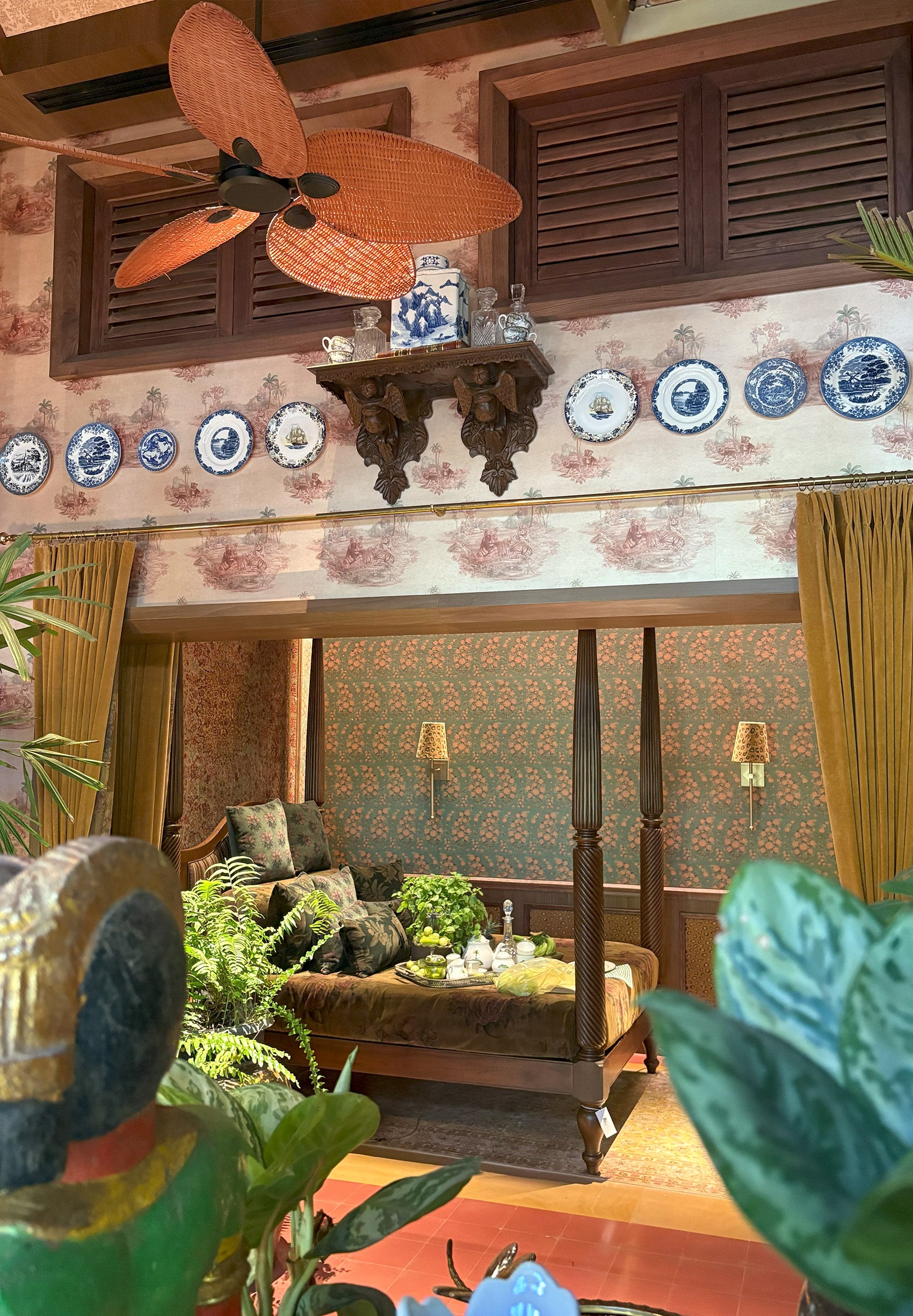
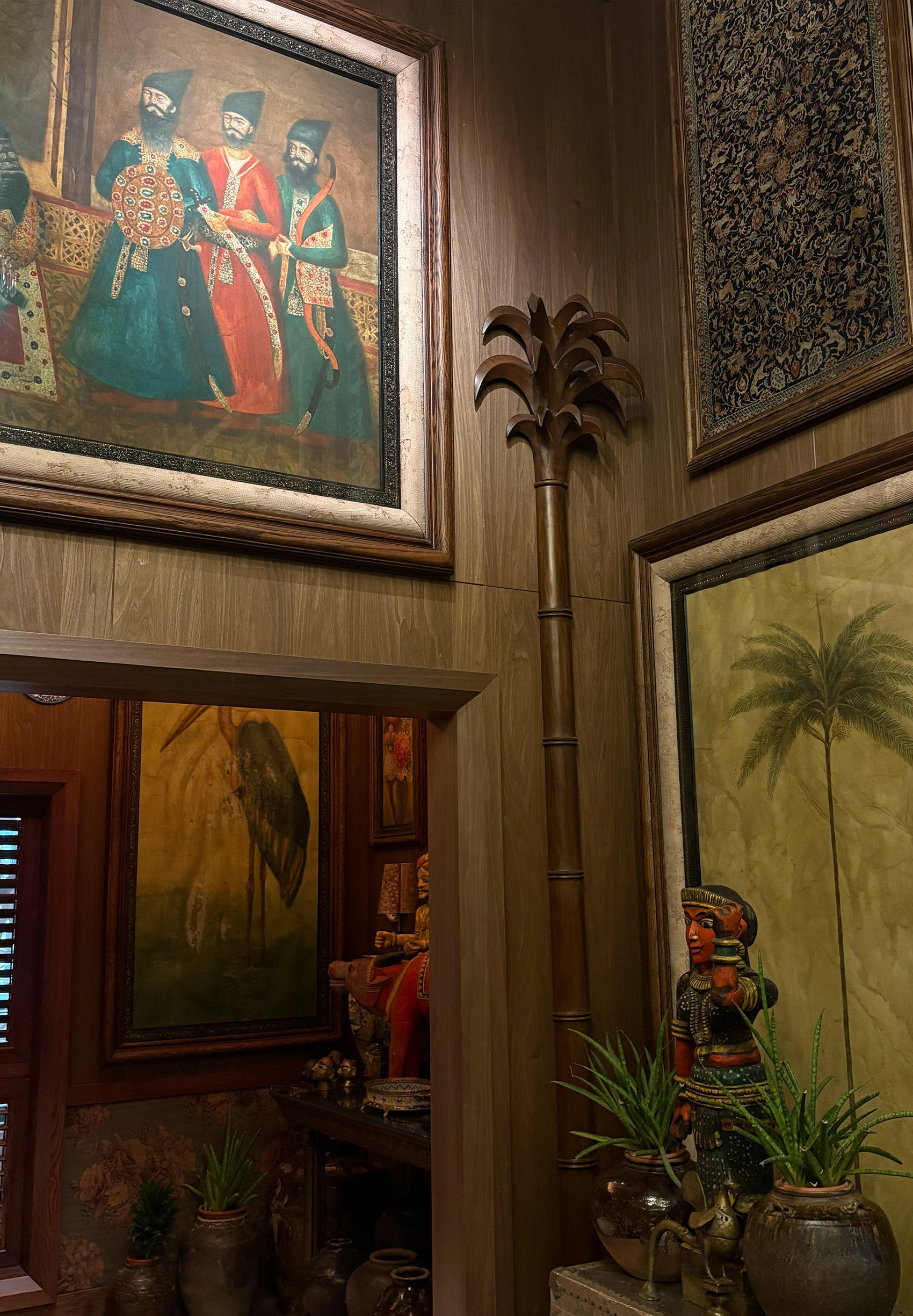
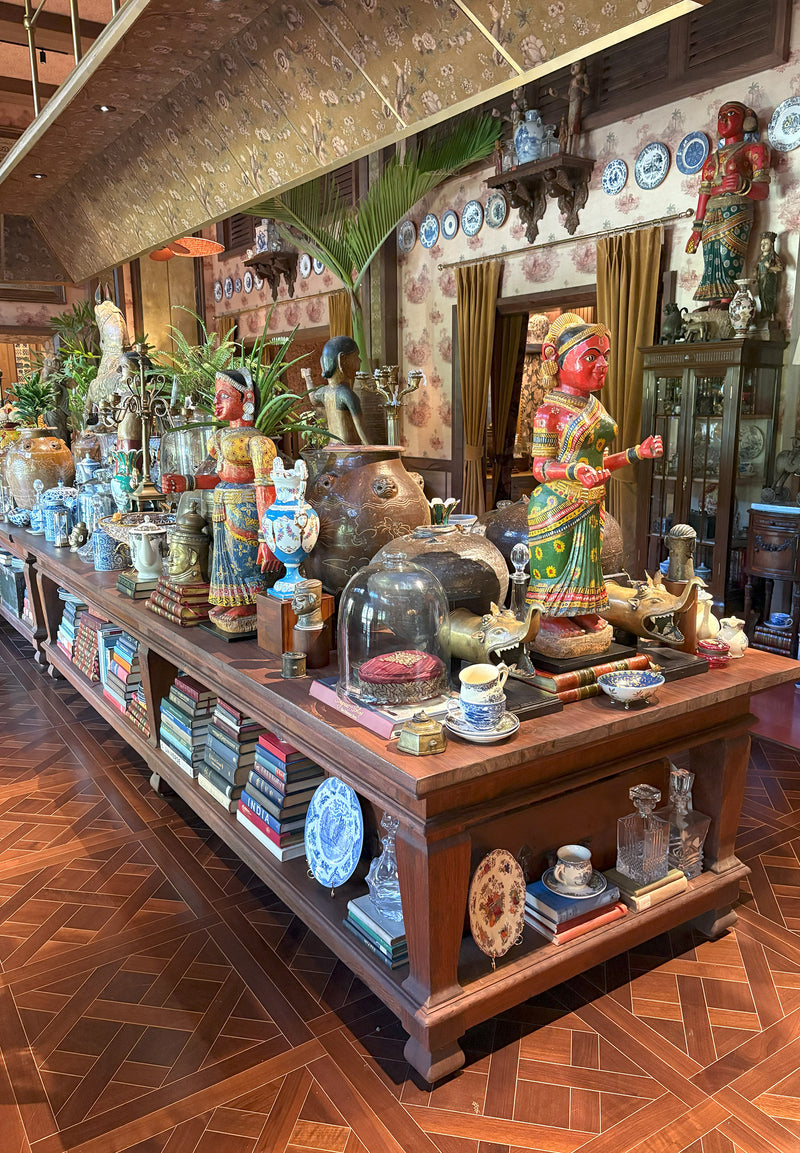
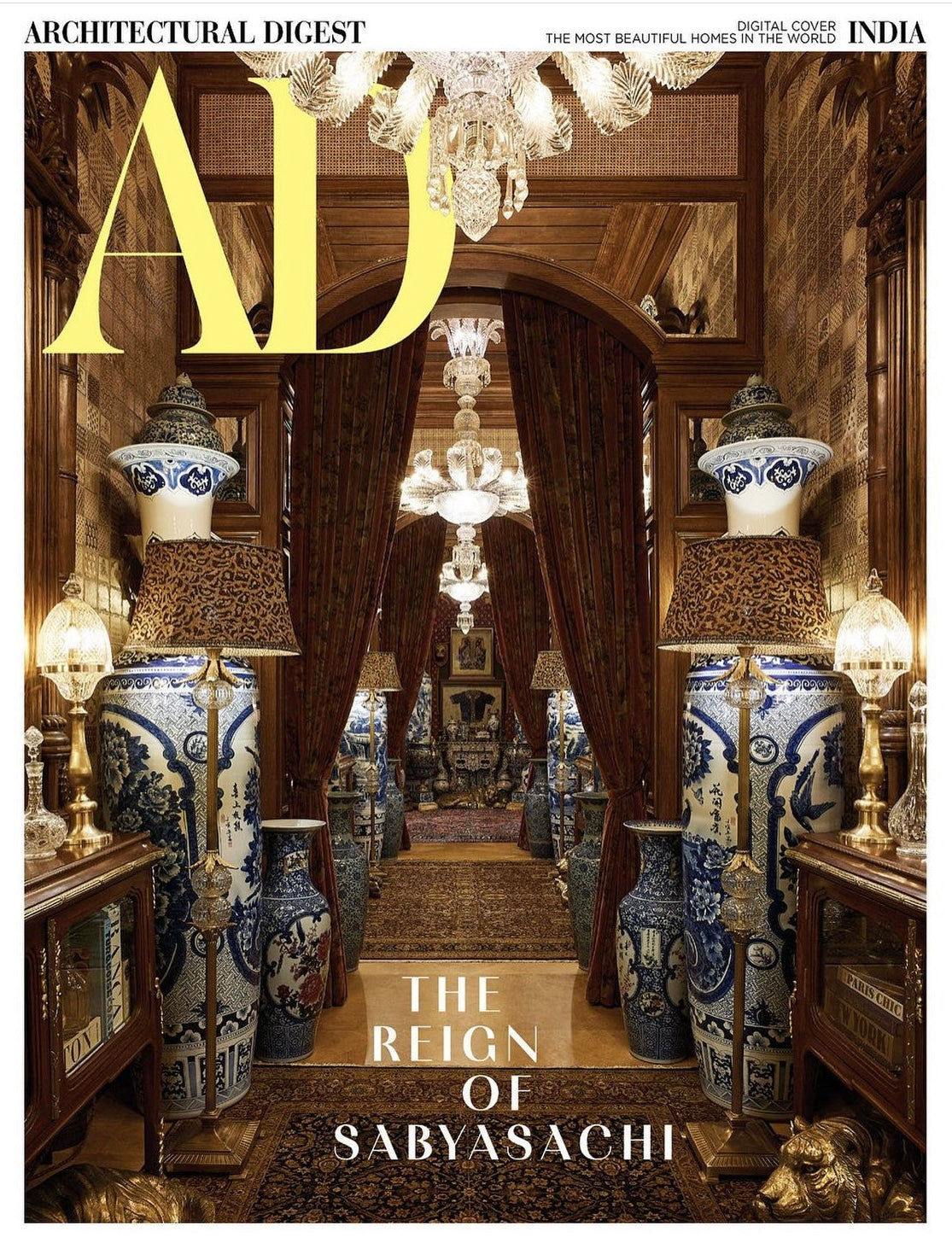
In a 100,000-square-foot warehouse complex in Lower Parel, Nilaya Anthology by Asian Paints has established itself as India's most ambitious design destination — part showroom, part gallery, part living museum of Indian craft and material culture. Within this vast space, architect Rooshad Shroff's quietly monumental architecture provides the frame, and Sabyasachi Mukherjee's dedicated atelier provides one of its most richly personal chapters. Described by Elle Decor India as a space that "spotlights the labour of the hand, the elegance of the imperfect, and the stories embedded in every material," the Sabyasachi for Nilaya installation unfolds as an archive, a studio, and a maximalist meditation on Indian domesticity — bookshelves, textiles, and objects arranged with the considered abundance that defines the house at its most characteristic.

Carved Histories: Furniture for Sabyasachi's World at Nilaya Anthology in Mumbai

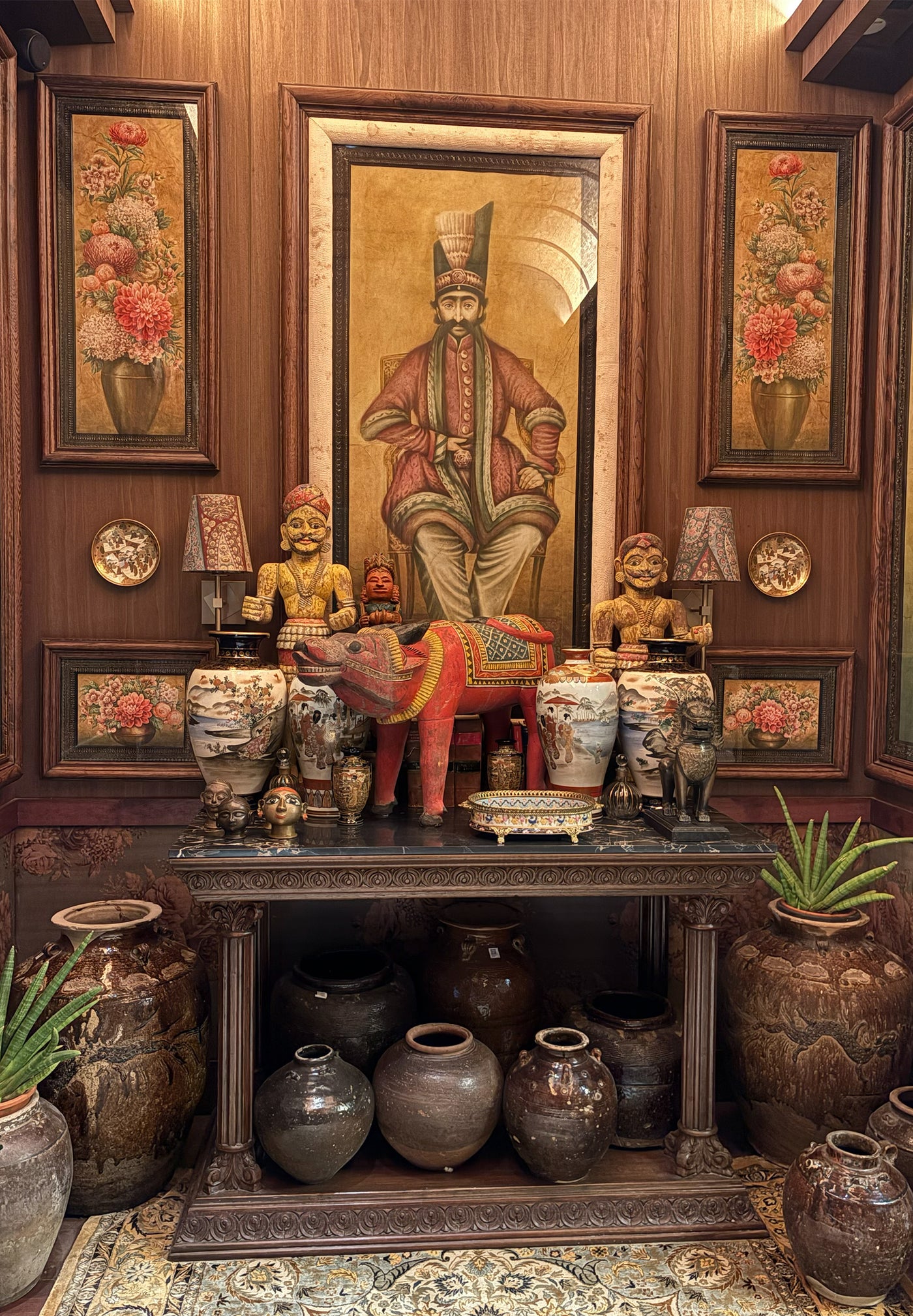
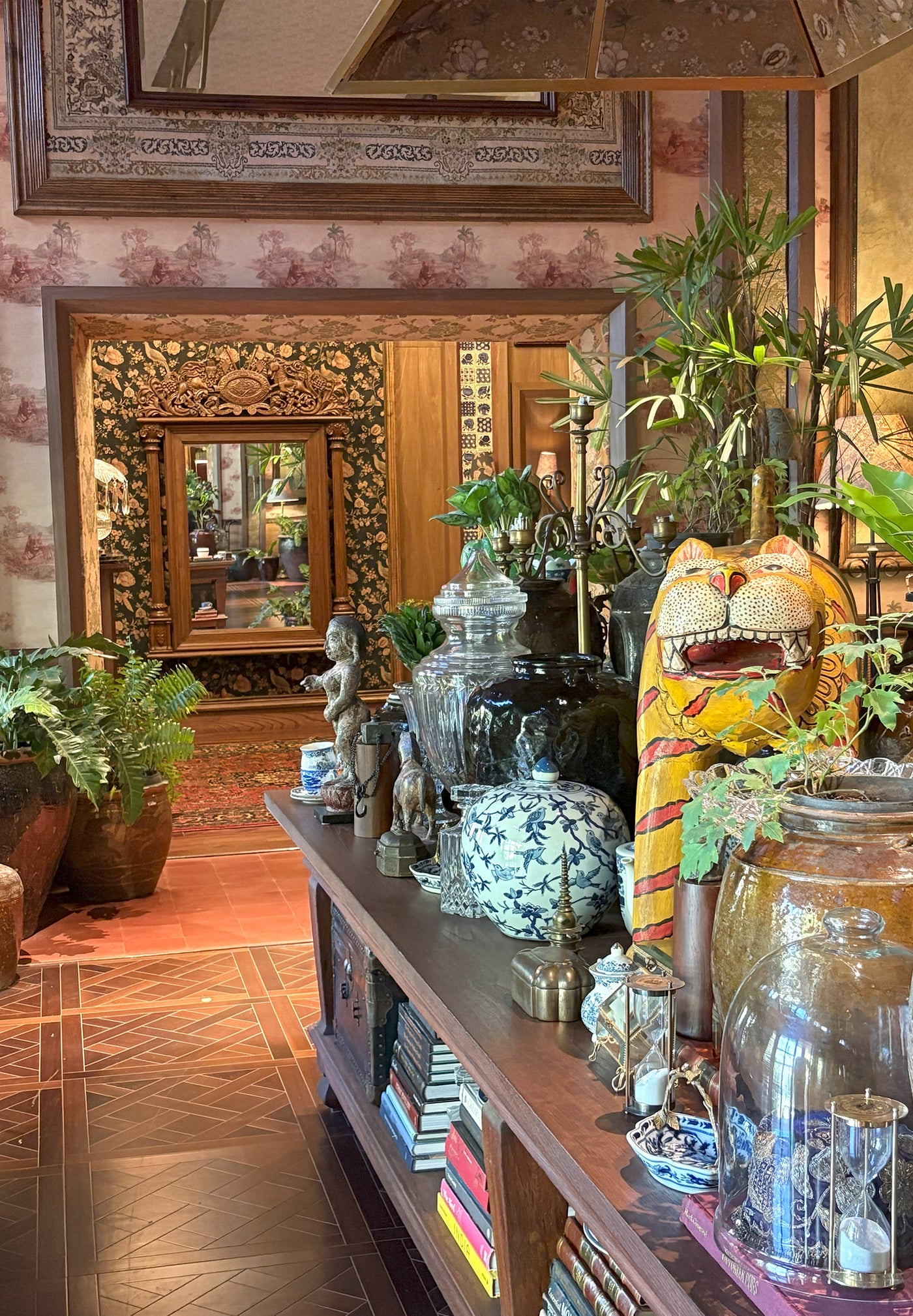
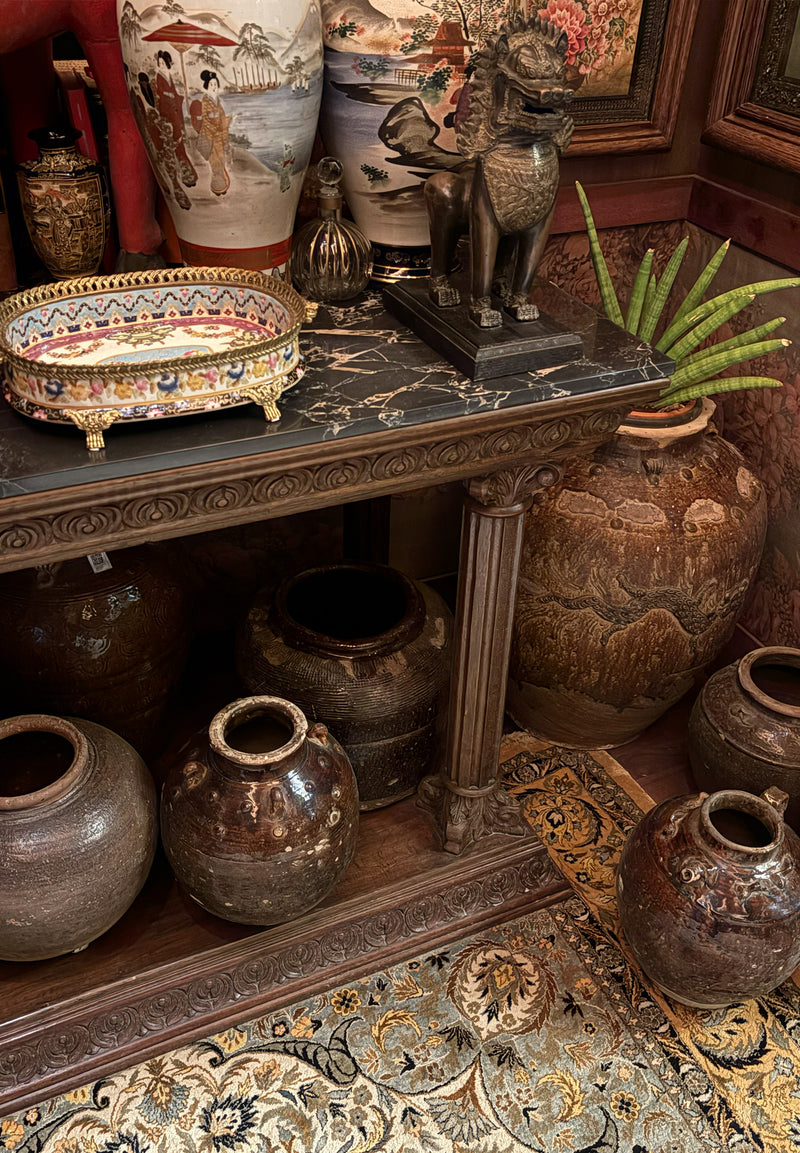
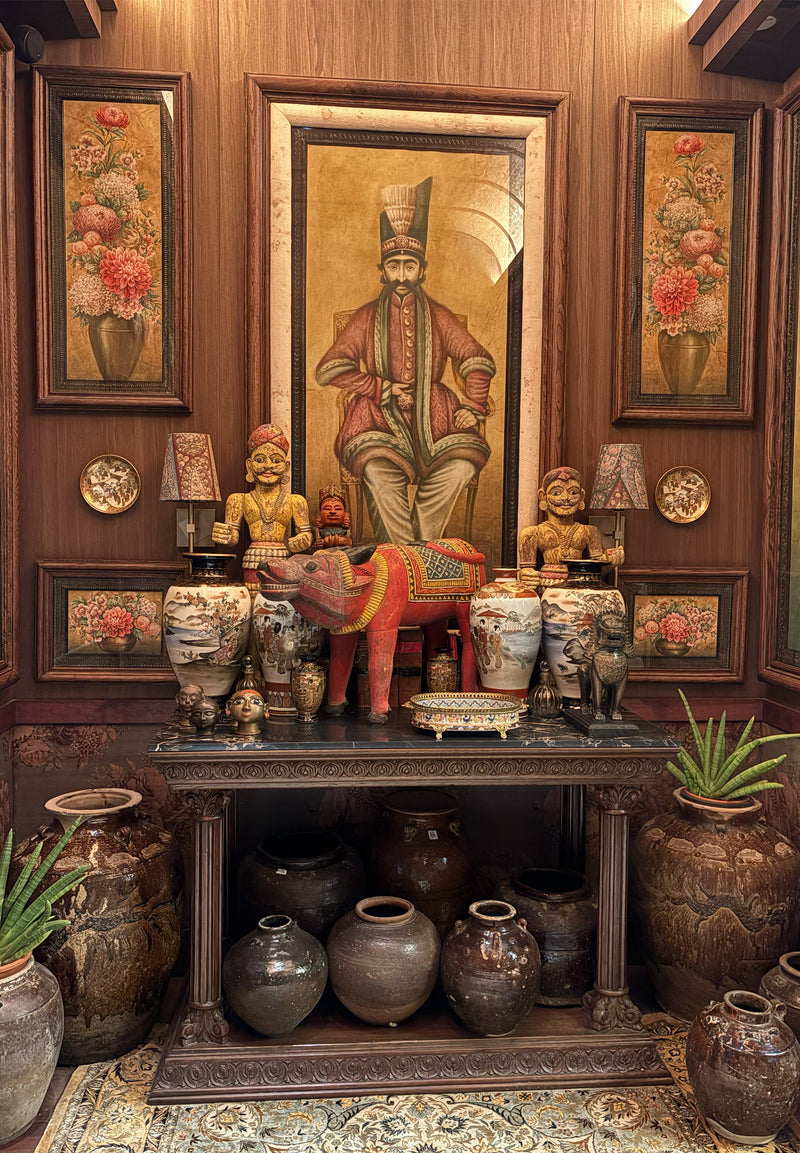
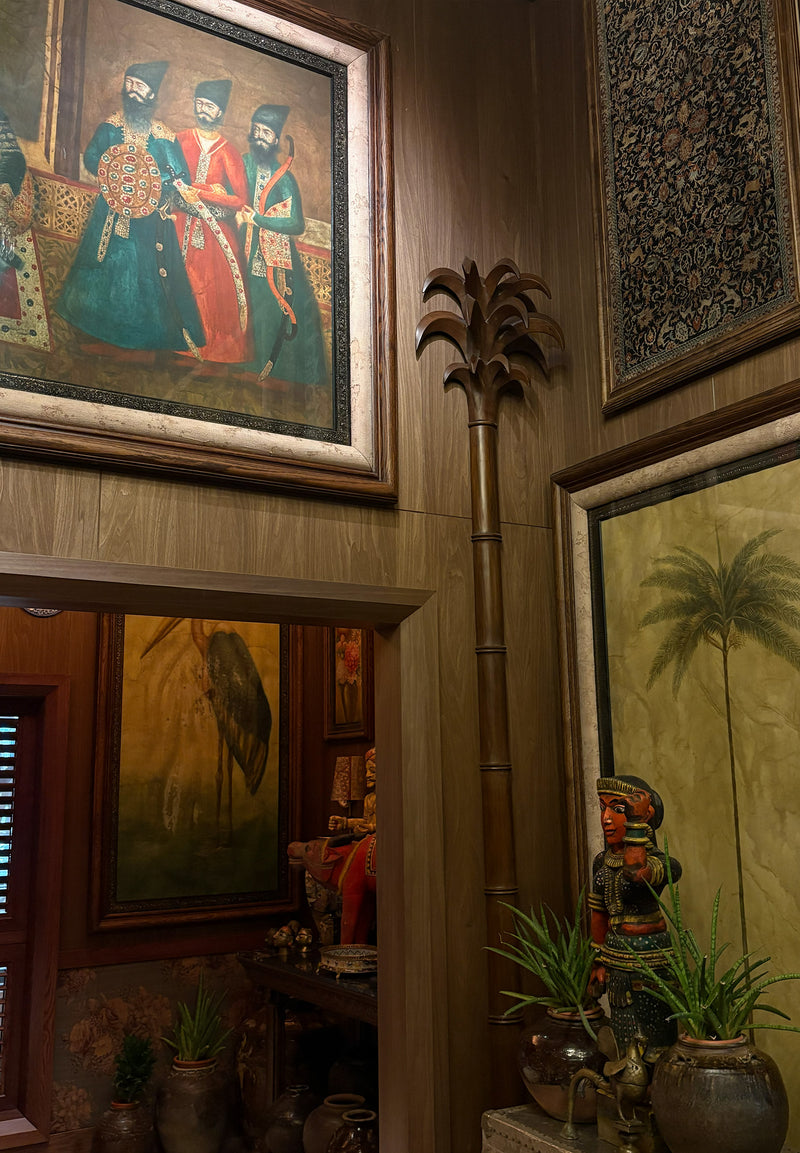
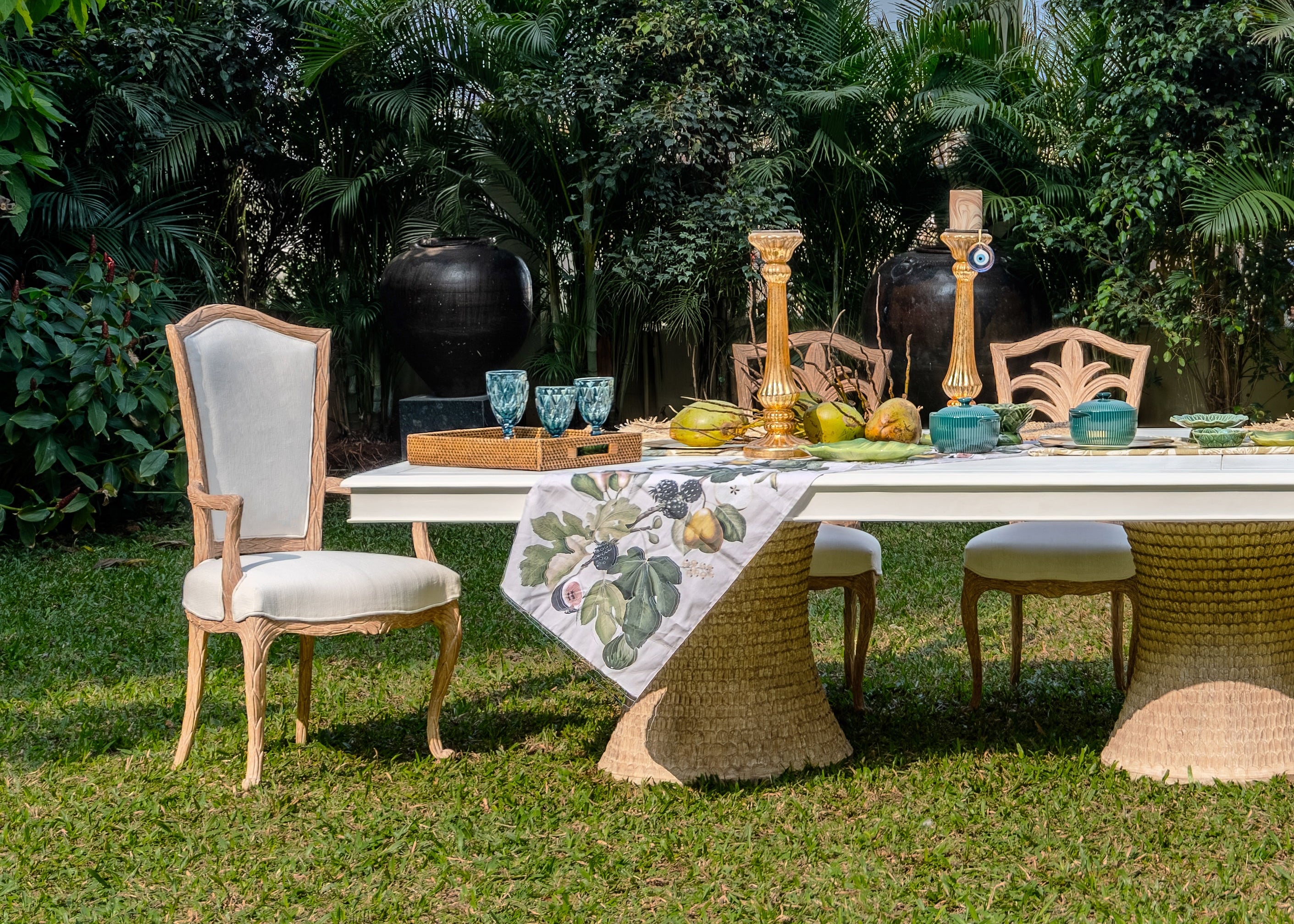
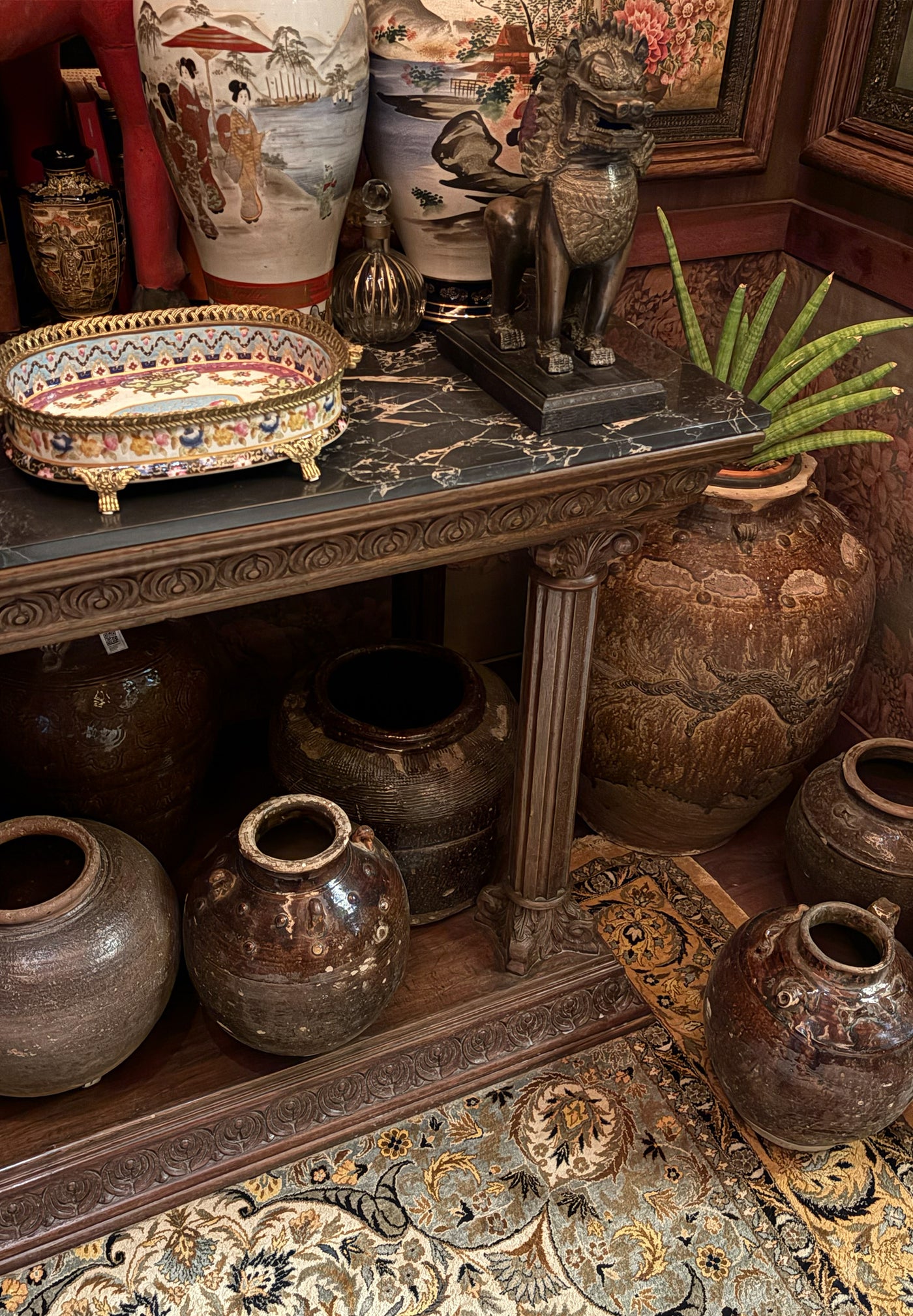
The Raj Company contributed a suite of bespoke furniture developed directly with Sabyasachi's team: a colonial-style carved dining table, bedside tables, ornately carved mirror frames with crested pediments, and marble-top console tables — each piece rooted in the decorative traditions of the subcontinent and executed with the intricate hand-carving for which the atelier is known. The mirror frames in particular carry the weight of serious craft, their crests resolved with the same vocabulary of ornament found throughout the designer's world. Taken together, the pieces read not as props but as furniture with genuine biography — made for a space where, as Sabyasachi himself has said, "every element holds India's intangible heritage."

Carved Histories: Furniture for Sabyasachi's World at Nilaya Anthology in Mumbai

In a 100,000-square-foot warehouse complex in Lower Parel, Nilaya Anthology by Asian Paints has established itself as India's most ambitious design destination — part showroom, part gallery, part living museum of Indian craft and material culture. Within this vast space, architect Rooshad Shroff's quietly monumental architecture provides the frame, and Sabyasachi Mukherjee's dedicated atelier provides one of its most richly personal chapters. Described by Elle Decor India as a space that "spotlights the labour of the hand, the elegance of the imperfect, and the stories embedded in every material," the Sabyasachi for Nilaya installation unfolds as an archive, a studio, and a maximalist meditation on Indian domesticity — bookshelves, textiles, and objects arranged with the considered abundance that defines the house at its most characteristic.

Carved Histories: Furniture for Sabyasachi's World at Nilaya Anthology in Mumbai

The Raj Company contributed a suite of bespoke furniture developed directly with Sabyasachi's team: a colonial-style carved dining table, bedside tables, ornately carved mirror frames with crested pediments, and marble-top console tables — each piece rooted in the decorative traditions of the subcontinent and executed with the intricate hand-carving for which the atelier is known. The mirror frames in particular carry the weight of serious craft, their crests resolved with the same vocabulary of ornament found throughout the designer's world. Taken together, the pieces read not as props but as furniture with genuine biography — made for a space where, as Sabyasachi himself has said, "every element holds India's intangible heritage."

Carved Histories: Furniture for Sabyasachi's World at Nilaya Anthology in Mumbai