
When you see a beautifully designed home in a magazine or a hotel where every chair, table and cabinet feels perfectly considered, there is usually a question hiding behind the finished space: where do interior designers get their furniture made?
The answer is rarely as simple as ordering everything from a retail showroom. For many interior designers, particularly those working on high-end residential, hospitality and commercial projects, furniture is sourced through a combination of specialist manufacturers, bespoke workshops, artisans and established furniture makers who can translate a design concept into a finished piece.

The Raj Company
From Sketch to Finished Furniture
Interior designers begin with a drawing, moodboard or reference image rather than a ready-made product. The furniture manufacturer then becomes an important part of the design process, helping turn that idea into something that can actually be built.
This is where custom furniture manufacturing differs from conventional furniture shopping. Dimensions can be adjusted, finishes selected, materials changed and upholstery specified according to the requirements of a particular project.
At The Raj Company, for example, furniture is custom-made with a focus on craftsmanship and precision manufacturing. The company works across categories including beds, seating, tables, cabinets and decorative furniture, allowing designers to source individual pieces as well as develop custom furniture specifically for a project.

The Raj Company
Why Designers Work Directly With Furniture Manufacturers
For interior designers, working directly with a manufacturer offers something a catalogue cannot always provide: flexibility and complete creative license.
A dining table may need to be made to an unusual length. A console might need a specific depth to fit a particular foyer. A bed may require a specific height or finish. Upholstered furniture may need to be fitted with the designer's selected fabric.
These details can make the difference between furniture that simply fills a room and furniture that feels as though it belongs there.
The Raj Company offers customisation across its furniture, with finishes available across its collections and COM (customer's own material) upholstery offered where applicable. This makes it possible for designers to maintain continuity between their furniture selections and the wider interior scheme.

The Raj Company
What Kind of Furniture Do Interior Designers Source?
The answer depends on the project, but several categories consistently form the backbone of a designer's furniture specification.
Beds and bedroom furniture are often highly customised because proportions have a significant impact on the atmosphere of a room. Four-poster beds, upholstered beds, bedside tables and chests can become architectural elements within a bedroom. The Raj Company's bed collection includes everything from poster beds to day beds, classic cane designs and plush upholstered designs.
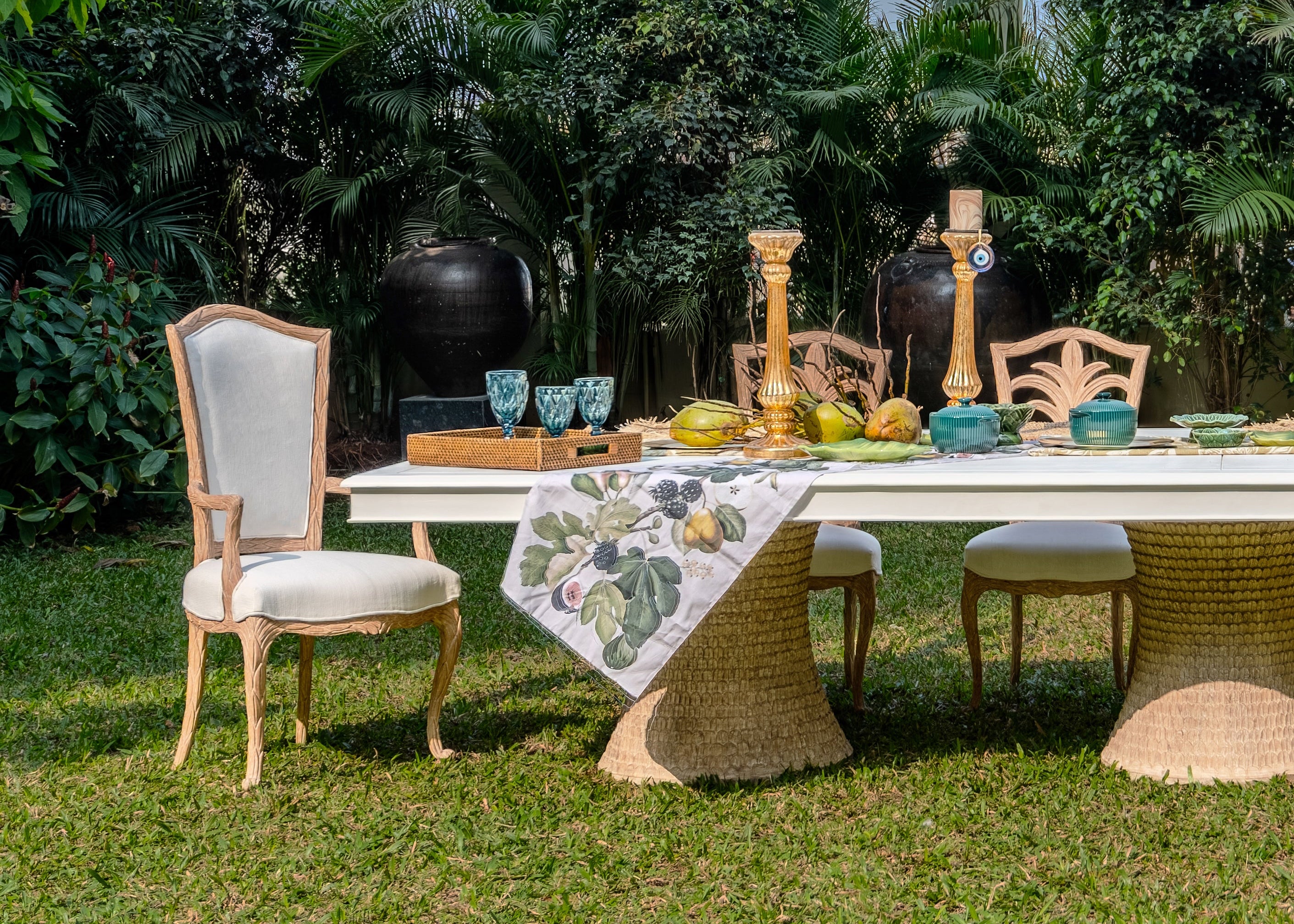
Seating is another area where designers frequently work with specialist manufacturers. Chairs, sofas, occasional seating and dining chairs can be adapted through upholstery, dimensions and finishes.
Tables and case goods are similarly important. Dining tables, consoles, desks, cabinets and sideboards often need to balance aesthetics with very specific functional requirements.
For example, a designer may select a statement piece such as the Robert Console Table or Arthur Console Table, while specifying a different finish or adapting dimensions for the project.

The Raj Company
Beyond the Furniture Catalogue
One of the biggest misconceptions about furniture manufacturing is that designers simply choose a product from a catalogue and place an order.
In reality, the relationship is much more collaborative.
A manufacturer may work from a designer's own drawings, develop prototypes, advise on construction and materials, and refine details before production begins. For larger projects, this relationship becomes particularly important because multiple pieces need to work together as a cohesive collection.
The Raj Company's project portfolio demonstrates this approach, with furniture developed for hospitality, retail and residential environments, including the Sabyasachi flagship store in Mumbai and Islas Secas resort in Panama. For the Sabyasachi project, The Raj Company produced more than 1,000 handmade pieces in collaboration with the design direction of the project.
Why Craftsmanship Still Matters
The finished photograph may make furniture look effortless. The manufacturing process is anything but.
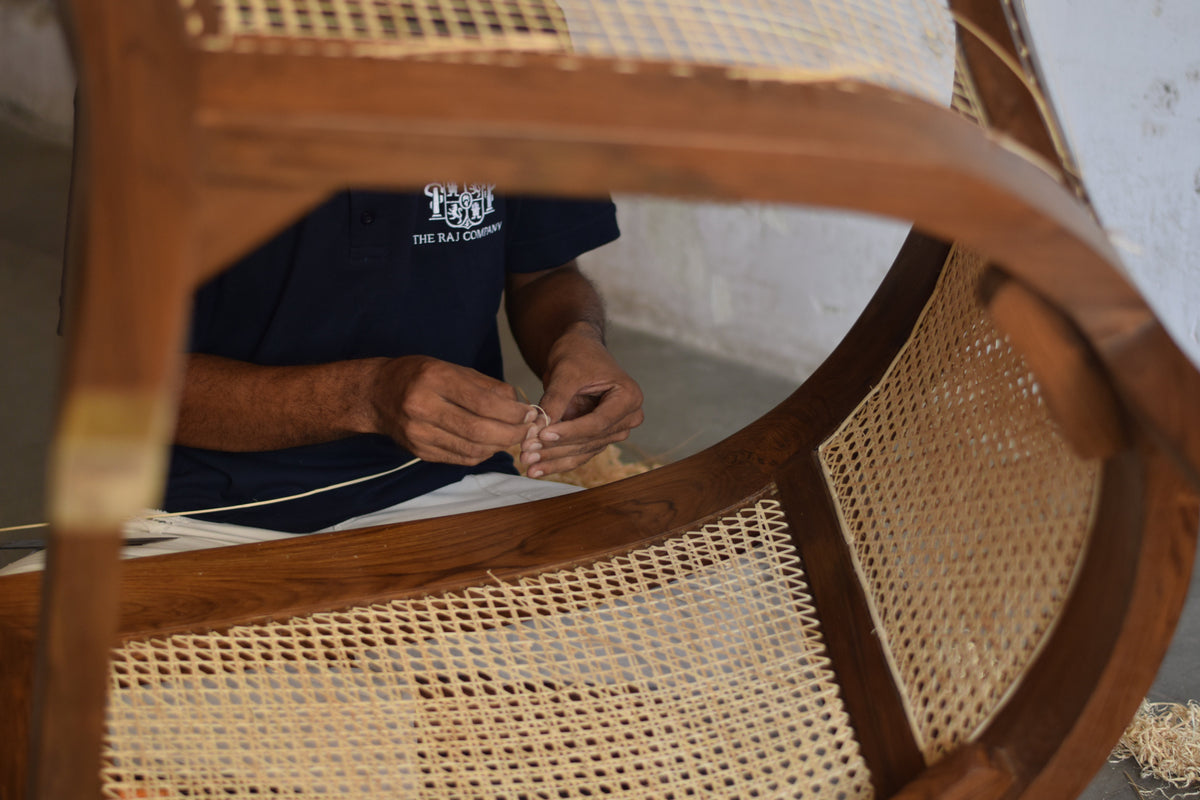
Hand-carving, caning, upholstery, joinery, finishing and surface detailing all require specialist knowledge. For designers working on projects intended to last for years, the construction, quality and finish of a piece matter just as much as its silhouette.
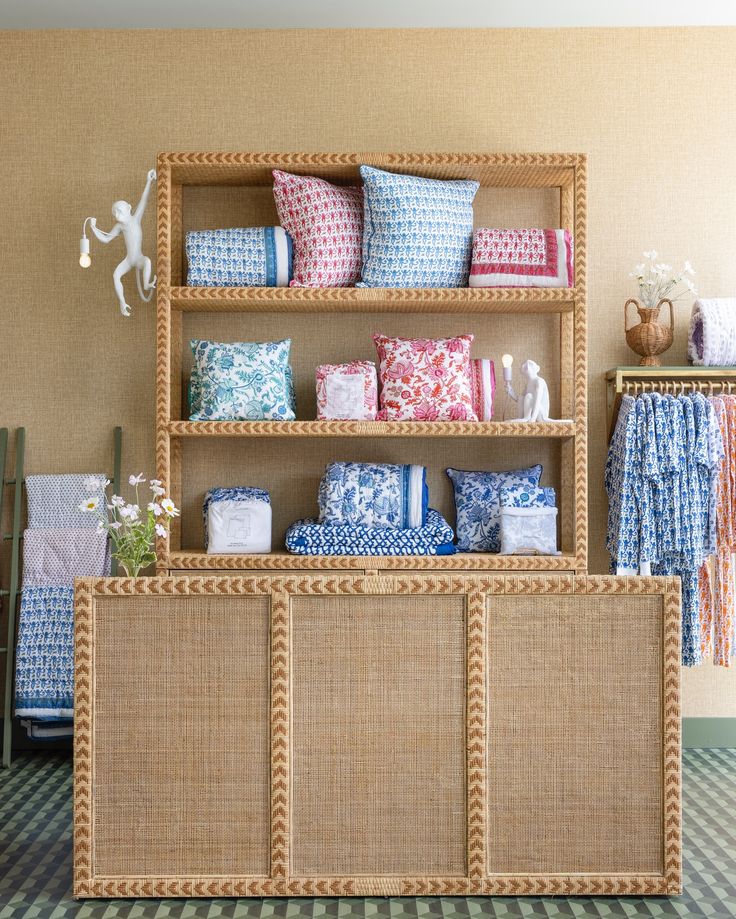
This is particularly relevant when working with distinctive materials such as rattan, carved wood or detailed veneers. Pieces such as the Reeve Wicker Chest of Drawers demonstrate how traditional techniques can be incorporated into furniture with a distinctly contemporary presence.

The Raj Company
The Furniture Maker as a Design Partner
Designers need manufacturing partners who understand proportion, materials, finishes and the realities of turning an idea into a finished object.
That is why specialist furniture manufacturers continue to play such an important role in interior design. The right manufacturer can take a designer's vision beyond the drawing board, creating pieces that are tailored to the space rather than forcing the space to accommodate the furniture.
For designers looking for custom furniture made to their specifications, The Raj Company offers a combination of bespoke manufacturing, traditional craftsmanship and contemporary design, with furniture made for projects around the world.