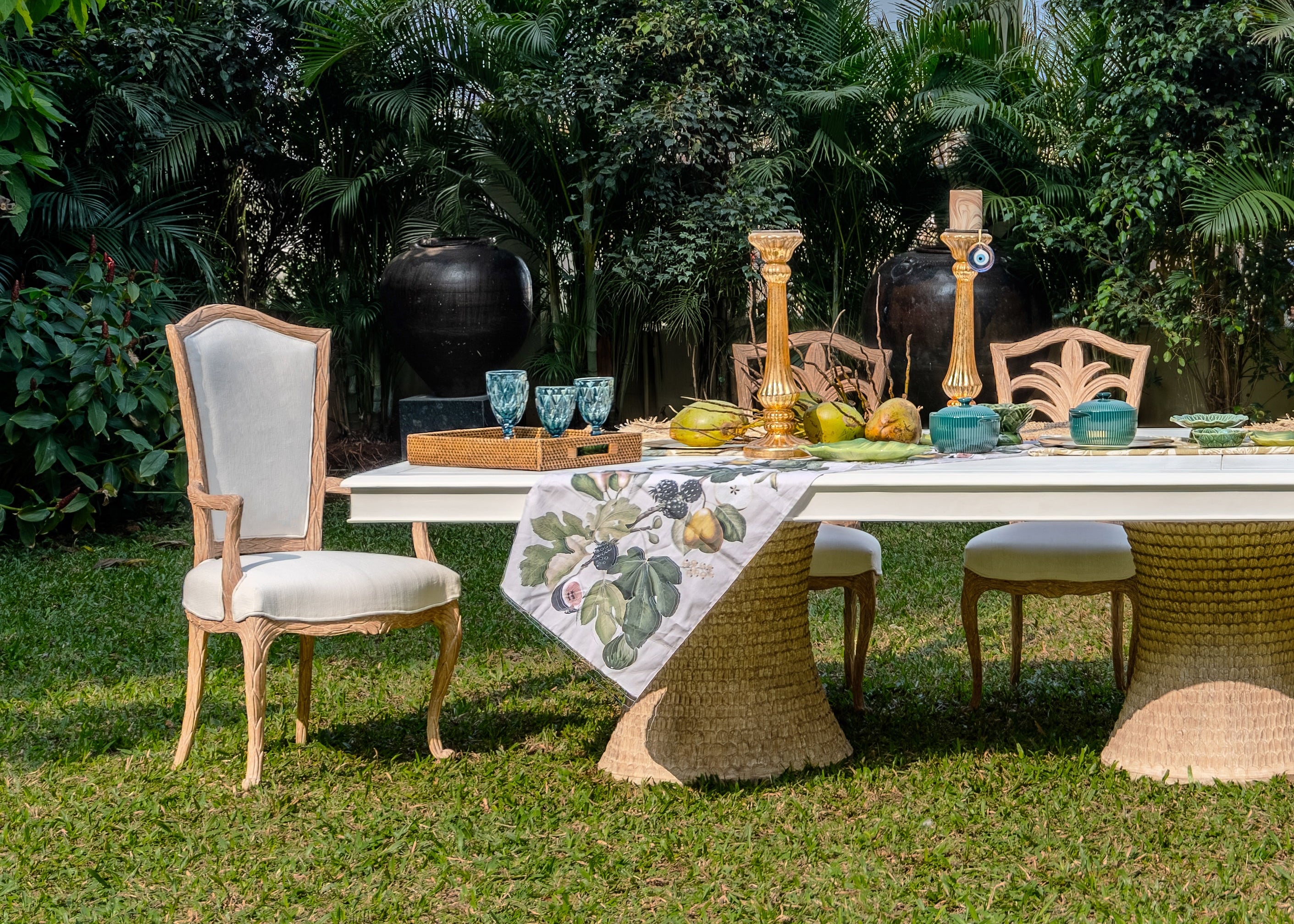

 Custom Carved Chairs | Ellen Kavanaugh Interiors
Sustainability Meets Sophistication
Interior design trends of 2026 emphasize sustainable furniture design. Homeowners are increasingly choosing pieces that are responsibly sourced, durable, and crafted to last generations. Teak wood furniture, that is aged, reclaimed and seasoned well, continues to dominate the market due to its strength, resistance to wear, and natural beauty. Teak’s rich grain and warm tone make it ideal for both minimalist and luxuriously decorated spaces, reinforcing the idea that sustainability and elegance can go hand in hand.
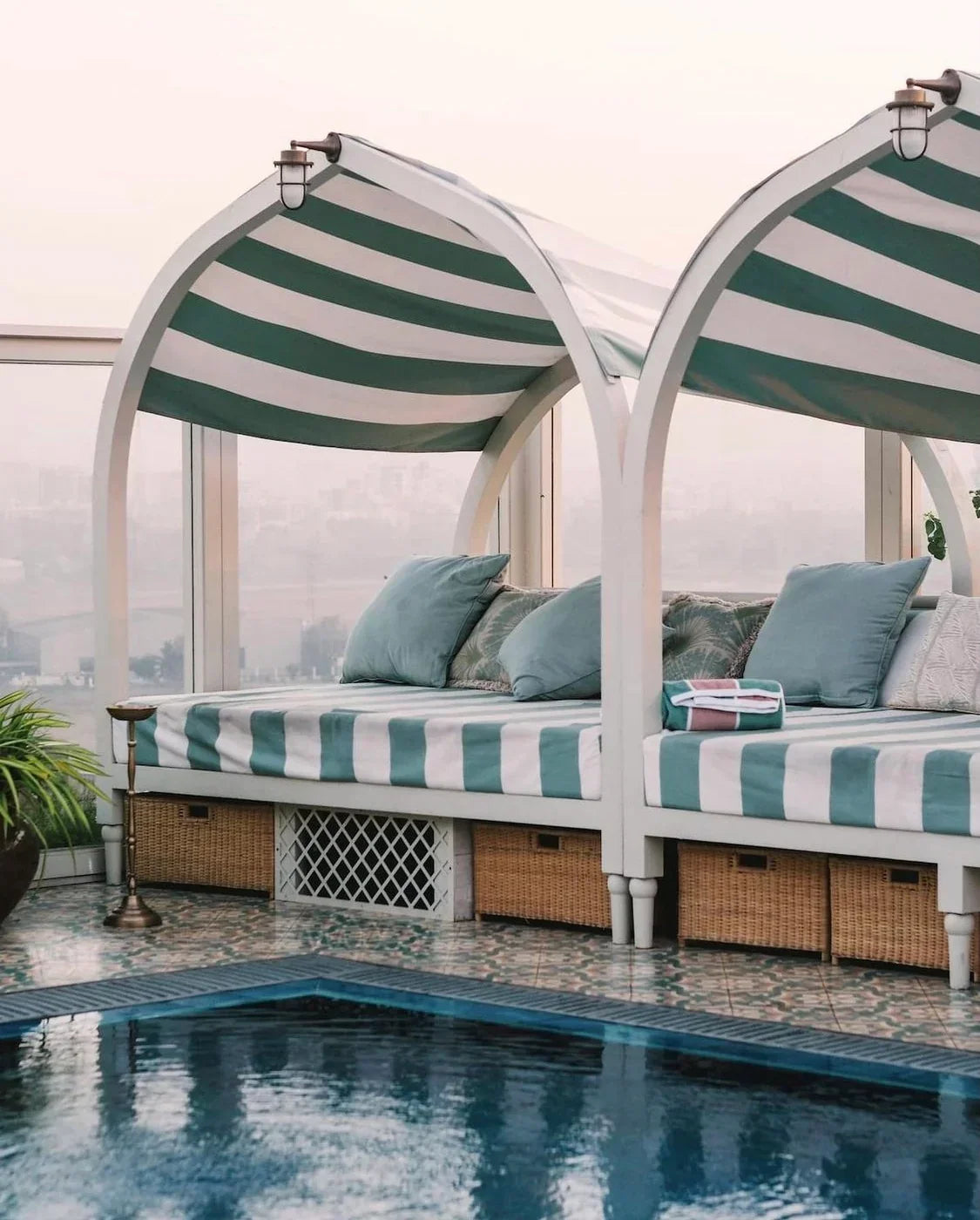
 Custom Dining and Bar Furniture | Soho House Mumbai
Organic and Earthy Aesthetics
Expect to see more curved furniture designs, rounded sofas, sculptural chairs, and fluid silhouettes that create inviting, human-centric spaces. Paired with earthy colors and rich palettes such as warm browns and greens, these designs foster a sense of calm and connection to nature.
Texture also plays a major role. Textured furniture, hand-finished wood, woven details, or tactile upholstery will add depth and character without overwhelming the space.
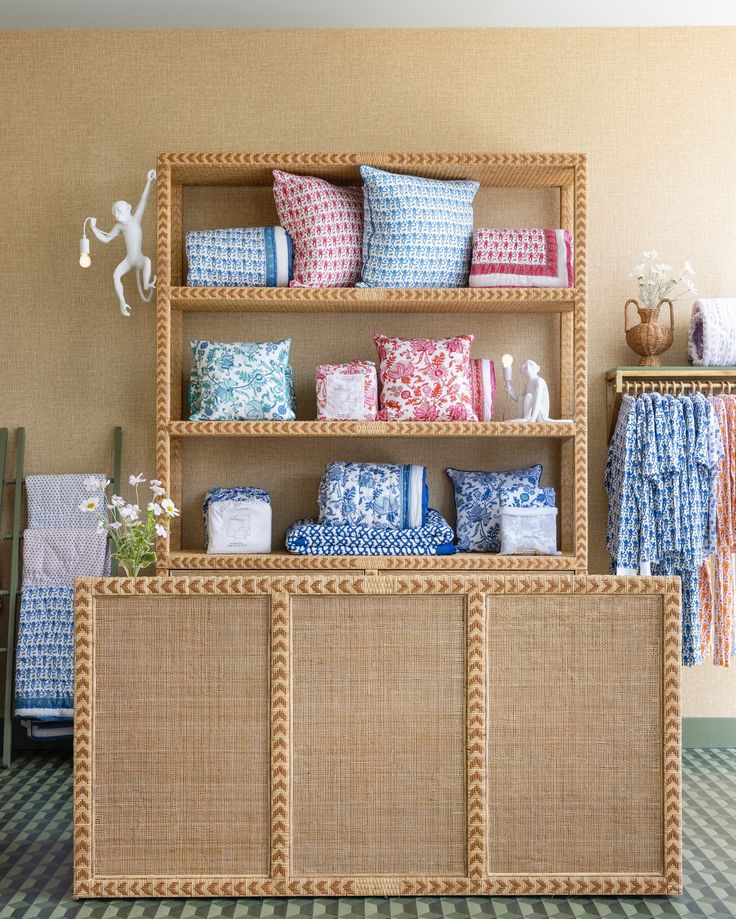
 Custom Rattan Dresser | Kemble Interiors
Grandma Core
Rather than literally recreating your grandmother’s home, Grandma Core in 2026 is about curated nostalgia with intentional comfort and personality.
Designers say this trend isn’t about cluttered kitsch but story-rich spaces that feel lived-in, welcoming, and soulful. A response to minimalist interiors that many people found too cold or generic.
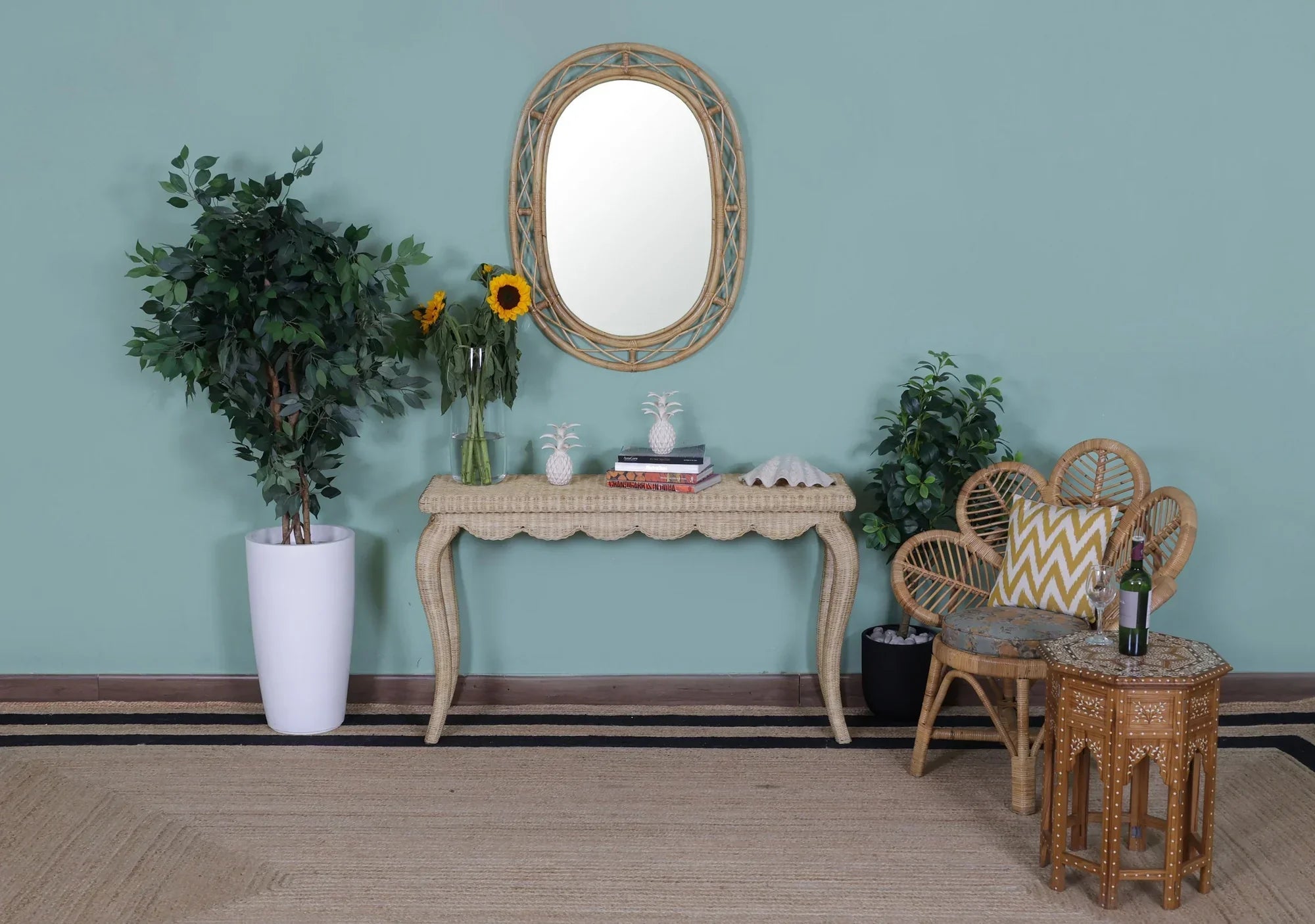
 Antique Four-Poster Bed | The Raj Company
Blending Antique Elements with Modern Interiors
In 2026, bringing antiques into modern spaces is less about recreating the past and more about adding depth. Like a carved wood console, vintage mirror, or antique chest. The richness of aged wood, metals, and handcrafted details softens contemporary materials such as glass, steel, and concrete.
Designers are focusing on thoughtful contrast: pairing an ornate antique table with sleek modern chairs, or placing a traditional cabinet against a neutral, streamlined backdrop. The key is restraint, letting one or two statement pieces shine while keeping the surrounding palette cohesive.