

The Origins of Made-to-Order Furniture in India
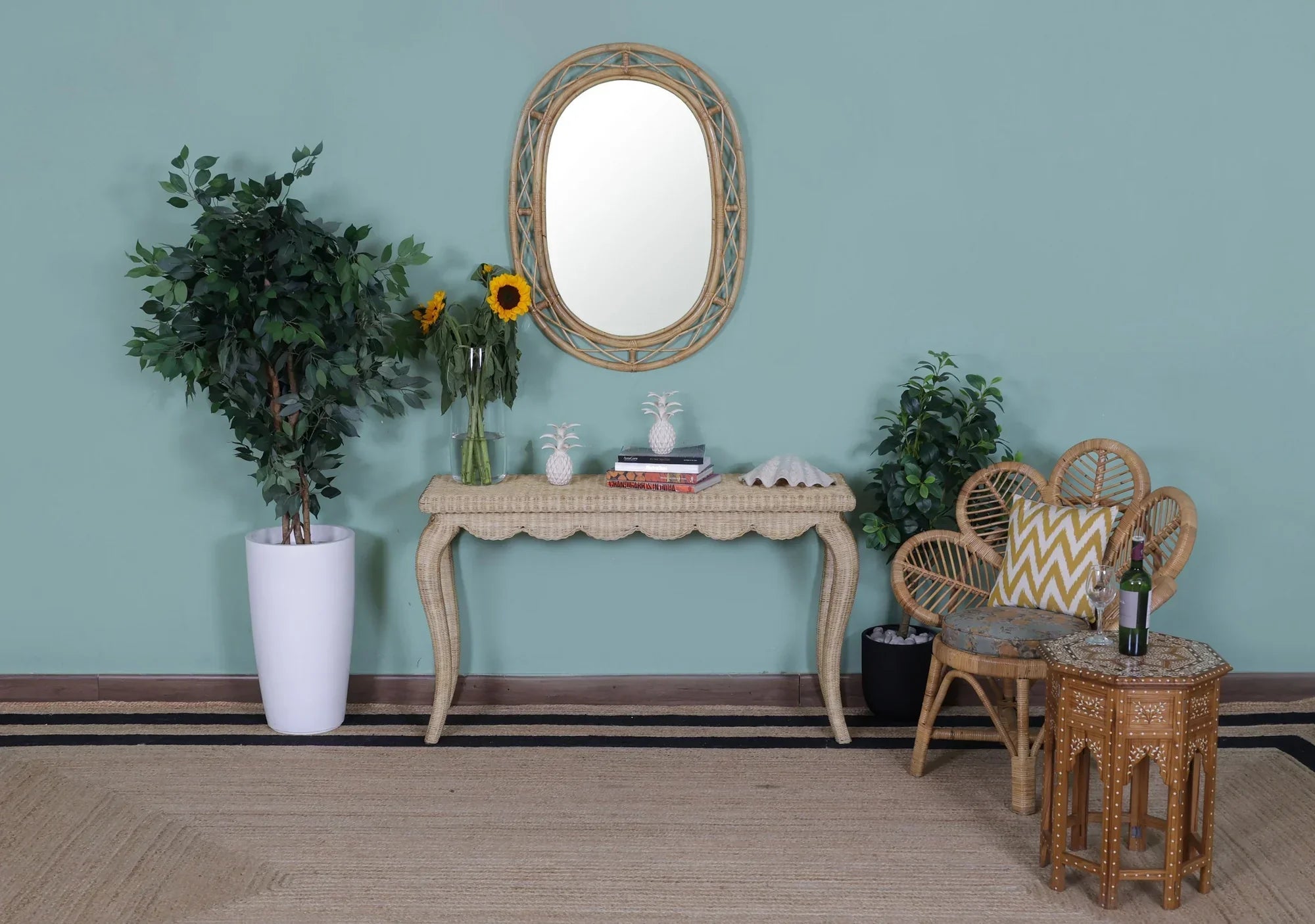
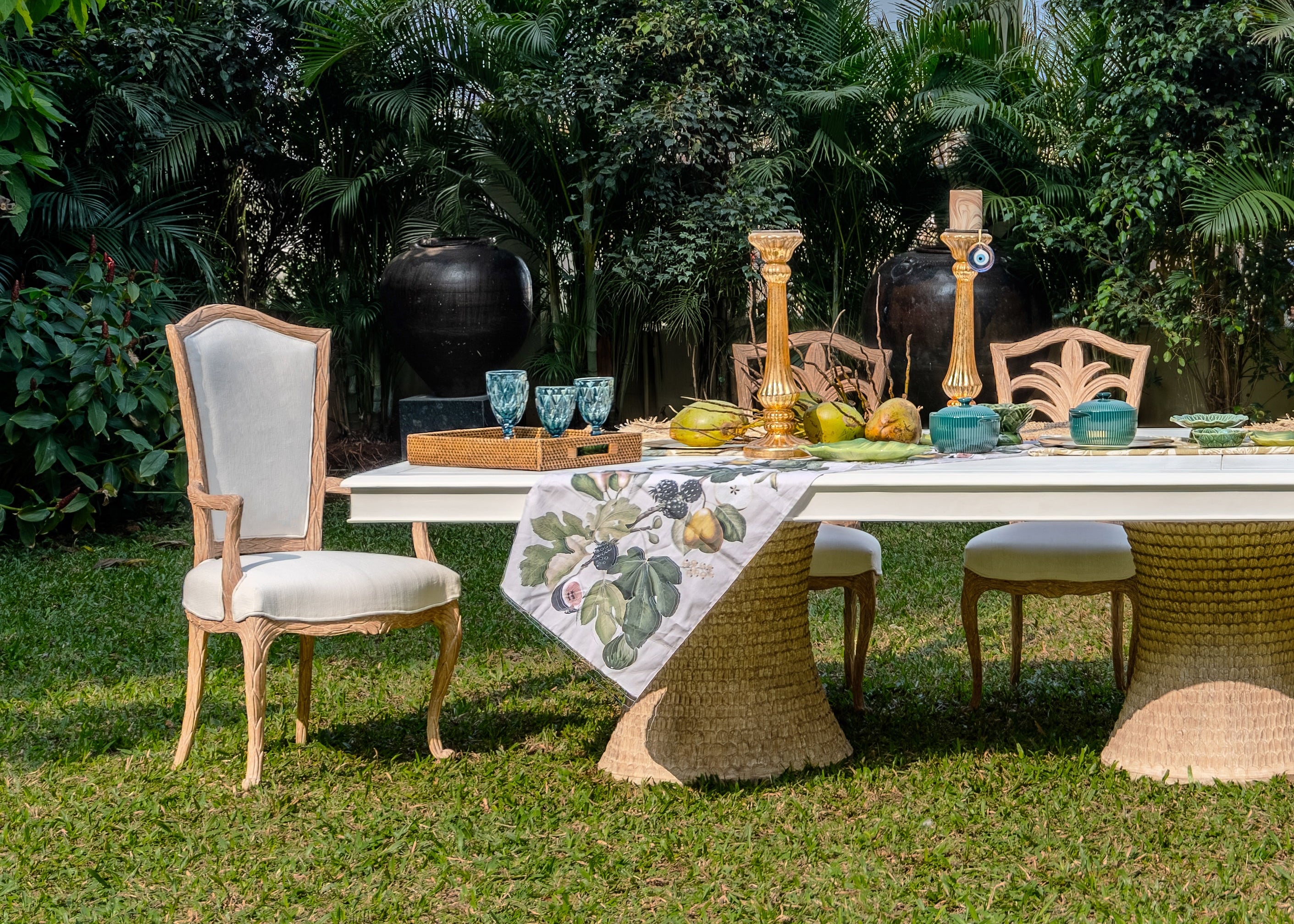
Mass-produced furniture often fails to solve the unique spatial constraints presented by architecture. Custom furniture provides the antidote. Customization allows a designer’s and home owner’s vision to remain uncompromised. Whether it’s a curved contemporary sofa designed to hug the radius of a panoramic window or Custom Dining Table sized perfectly for a double-height living room, the flexibility of dimensions and materials is a game-changer.
Why Teak Wood is the Go-To choice for Furniture Design
Teak wood (Sagwan) in India is primarily found in the forests of Central and Southern India, with major reserves in Madhya Pradesh, Maharashtra, Karnataka, Kerala, and Tamil Nadu. Teak thrives in humid tropical climates and is known for its water resistance, making it ideal for furniture and construction. Burma Teak is also found in the state of Assam and states with the Myanmar border.
Teak wood has been used in India for centuries for woodworking because of its strength, durability, and natural resistance to insects and decay. Its popularity as a furniture material expanded notably during the British colonial period when British demand and local craftsmanship combined to make teak a dominant hardwood for long-lasting indoor and outdoor furniture. Teak Wood Furniture remains the material of choice of furniture designers.
Handcrafted furniture incorporates material variations inherent to solid wood and artisanal manufacturing processes. Grain patterns, tonal differences, and minor dimensional tolerances are natural outcomes of working with solid timber. Designed for long-term use, teak wood furniture pieces prioritize structural integrity, material longevity, and balanced proportions, supporting continued functional and visual relevance over extended periods of time.

From Colonial to Contemporary
During the British colonial period, Indian furniture design incorporated European forms, materials, and construction techniques, resulting in hybrid “Anglo-Indian” styles that fused Western structures with local craftsmanship. After independence, Indian designers and makers increasingly combined traditional motifs with modern, functional, and minimalist aesthetics to respond to changing lifestyles, urban spaces, and global design trends. Urban furniture design in India is shaped by evolving lifestyles, functionality, and efficient use of silhouettes from global contemporary design aesthetic.
A significant trend we are seeing globally is the fusion of styles. Designers are increasingly pairing contemporary furniture with the structured, nostalgic silhouettes of colonial design.
This stylistic versatility is why Indian-made custom furniture has gained such traction from the United States and Europe. The ability to bridge the gap between old-world charm and sleek, modern lines allows designer furniture to feel at home in a London townhouse or a Dubai penthouse.
Sustainability as a Standard
By choosing high-quality furniture that is built to last, designers and home owners are actively pushing back against the culture of disposable decor. Custom pieces prioritize longevity, ensuring that the environmental footprint is offset by a lifetime of use.

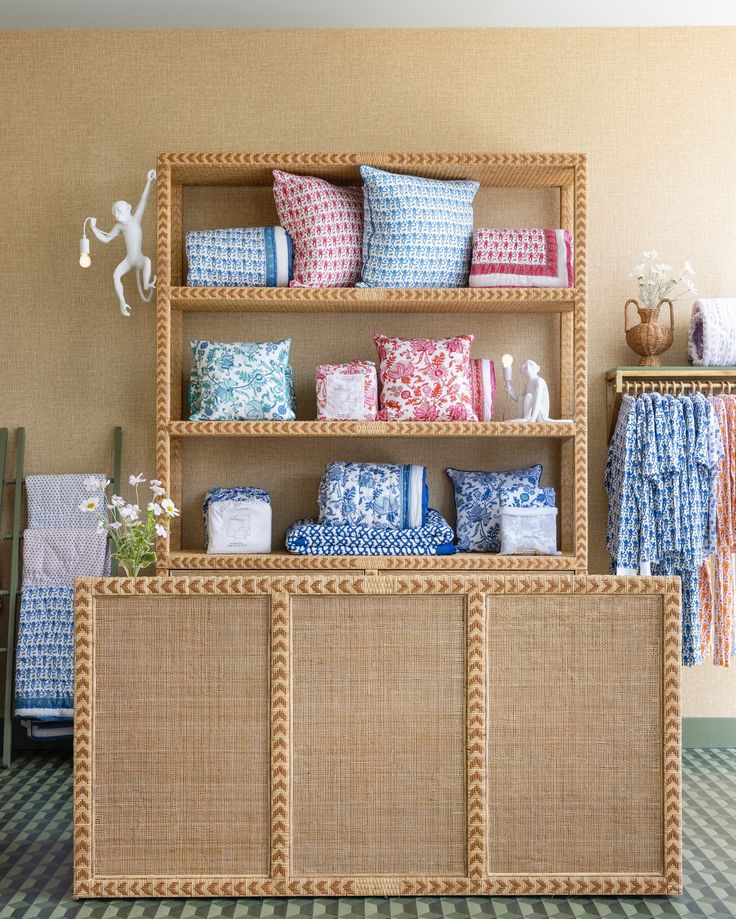
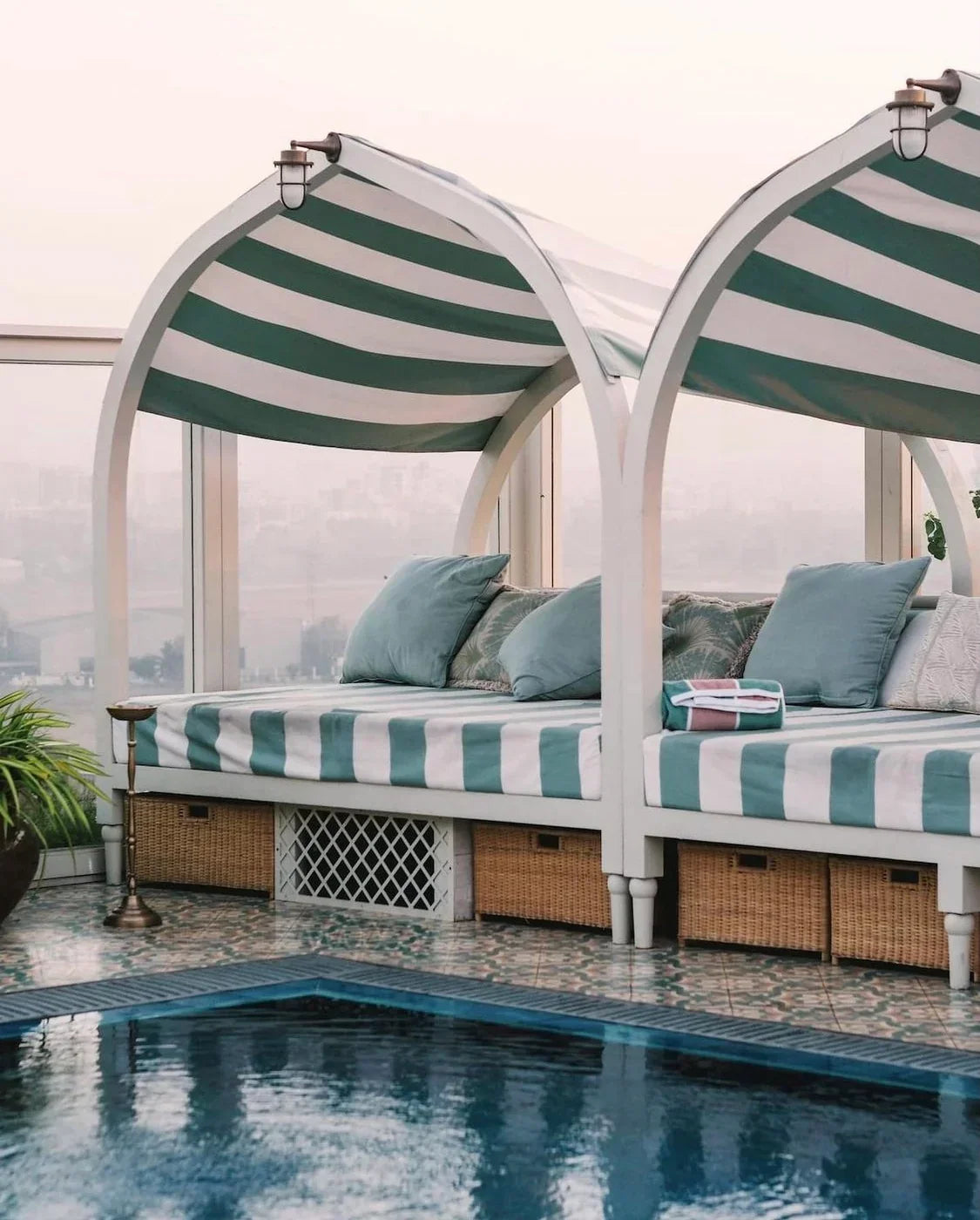
Custom hand-made furniture for Sabyasachi (L) and Annabelle Moehlmann (R)
From Mumbai to the World
India has evolved into a global powerhouse. Blending centuries-old techniques with a modern, global aesthetic is the essence of make in India. With the ease of world-wide shipping for furniture, our one of a kind furniture designs go from our workshop in India to the most exclusive addresses worldwide.

The Future is Personal
As we look toward the future of furniture design, the move toward personalization is only accelerating. Custom Furniture is the ultimate expression of identity. It represents the intersection of a designer’s imagination, an artisan’s skill, and a client’s lifestyle.